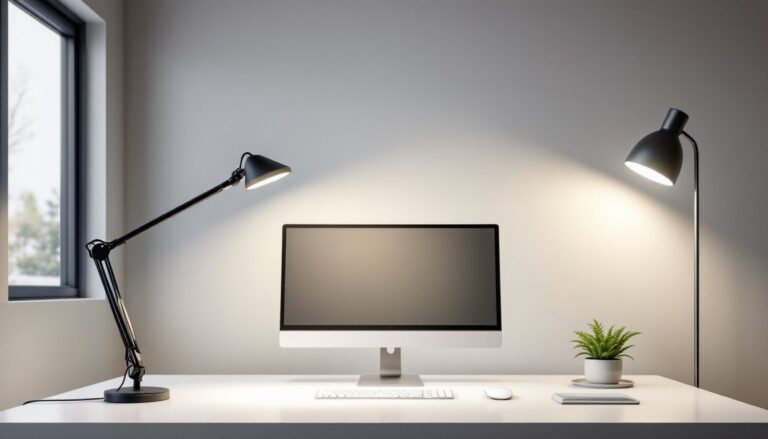
Choosing the right paint color for an office isn’t just about aesthetics; it’s a game-changer for productivity and mood. Picture this: a drab gray wall versus a vibrant teal. One screams “boring,” while the other whispers “let’s conquer the world!” The colors in an office can influence creativity, focus, and even employee morale. Who knew a little paint could pack such a punch?
Understanding Office Paint Colors
Selecting office paint colors greatly influences workplace dynamics. Understanding the psychological effects of different colors can enhance productivity, mood, and overall employee satisfaction.
Importance of Color Psychology
Color psychology plays a crucial role in shaping emotions and behaviors. Studies reveal that blue promotes tranquility and focus, while yellow can enhance creativity and energy. Green is known for its calming effects, helping to reduce stress, while red increases excitement and passion. These colors impact mood differently. Employees exposed to uplifting colors often show increased morale and collaboration. Companies can leverage this knowledge to design spaces that foster a positive work environment.
Choosing the Right Palette
Choosing a paint palette requires consideration of the office’s purpose and atmosphere. An open-concept space benefits from light, airy colors that create a sense of expansiveness. Areas designated for brainstorming might utilize bolder, more vibrant hues to stimulate creativity. Cool tones offer a serene backdrop for focus-oriented work. Warm tones foster a welcoming environment for client-facing areas. Balancing these elements creates harmony within the workspace. Consulting color swatches in various lighting conditions ensures the selected palette aligns with the desired ambiance.
Popular Office Paint Colors

Choosing paint colors can greatly influence the office atmosphere and employee productivity. The most popular options often fall into two categories: neutral shades and bold colors.
Neutral Shades
Neutral colors create a calm and professional environment. Shades like beige, gray, and white provide a clean backdrop. These colors promote focus and reduce distractions. Many companies opt for light gray, which adds sophistication while keeping the space bright. Beige brings warmth, making it inviting for employees and clients alike. White enhances spaciousness, fostering a sense of openness. Neutral hues encourage an atmosphere of collaboration and support. Overall, these colors can help establish a peaceful workplace.
Bold Colors
Bold colors can energize an office environment. Bright reds, vibrant oranges, and lively yellows stimulate creativity and enthusiasm. Many organizations use red in brainstorming areas to inspire passion among teams. On the other hand, orange encourages camaraderie and can strengthen teamwork. Yellow promotes optimism and can uplift spirits throughout the day. Using these intense shades strategically creates dynamic spaces where creativity can flourish. Implementing bold colors in moderation ensures that energy levels enhance rather than overwhelm.
Impact of Office Paint Colors on Productivity
Office paint colors significantly influence employee productivity and overall mood. Choosing the right color could foster collaboration and creativity.
Color and Employee Mood
Certain colors directly impact employee mood, shaping both energy levels and emotional well-being. For instance, blue creates a sense of calm, aiding concentration. Yellow, on the other hand, encourages a creative atmosphere, which stimulates new ideas. Green serves to reduce stress, promoting relaxation during intense work hours. Bold colors, such as red, can ignite passion and excitement, which may boost engagement. A well-considered color scheme can lead to improved morale across teams, enhancing cooperative efforts.
Visual Appeal and Brand Identity
Visual appeal matters in setting the tone for an office. Colors that reflect brand identity can strengthen company culture and employee pride. Neutral colors like gray and beige create a professional backdrop, while vibrant shades supply a dynamic work environment. Bright colors in common areas can energize interactions among staff, making them feel more connected to the company mission. Aligning color choices with brand values fosters a cohesive aesthetic, which positively influences how clients perceive the organization. Consistent use of brand colors within the workspace enhances recognition and alignment.
Tips for Selecting Office Paint Colors
Choosing the right office paint colors greatly affects the work environment. Taking a few key factors into account ensures a successful selection process.
Consider the Space and Lighting
Evaluate the space and its lighting conditions. Natural light can significantly alter how a color appears. Bright, sunlit areas often benefit from bold colors, as they enhance vibrancy. Conversely, darker spaces may require lighter shades to maintain a sense of openness. Using color samples in different lighting helps visualize the final impact. Analyze how colors interact with furniture and décor. Striking a balance between paint hues and existing elements creates a cohesive environment.
Brand Alignment with Color Choices
Aligning paint colors with brand identity strengthens company culture. Select shades that reflect the organization’s values and mission. Vibrant colors can signal creativity, while neutral tones may promote professionalism. Communicate the brand’s personality through color to enhance employee pride and recognition. Showcase the brand’s essence in collaborative spaces for greater impact. Consider how these colors resonate with clients and visitors as well. By doing so, the office becomes an extension of the brand, fostering a connection between employees and their work environment.
Choosing the right office paint colors is crucial for creating an environment that promotes productivity and employee well-being. The psychological effects of color can transform a workspace from dull to vibrant fostering creativity and collaboration. By understanding how different shades influence mood and focus organizations can strategically select colors that align with their goals and brand identity.
Incorporating both neutral and bold hues allows for a balanced atmosphere catering to various needs within the office. Ultimately a well-thought-out color palette not only enhances the visual appeal of the workspace but also reinforces company culture and pride among employees. Investing time in this decision can lead to a more engaging and effective work environment.