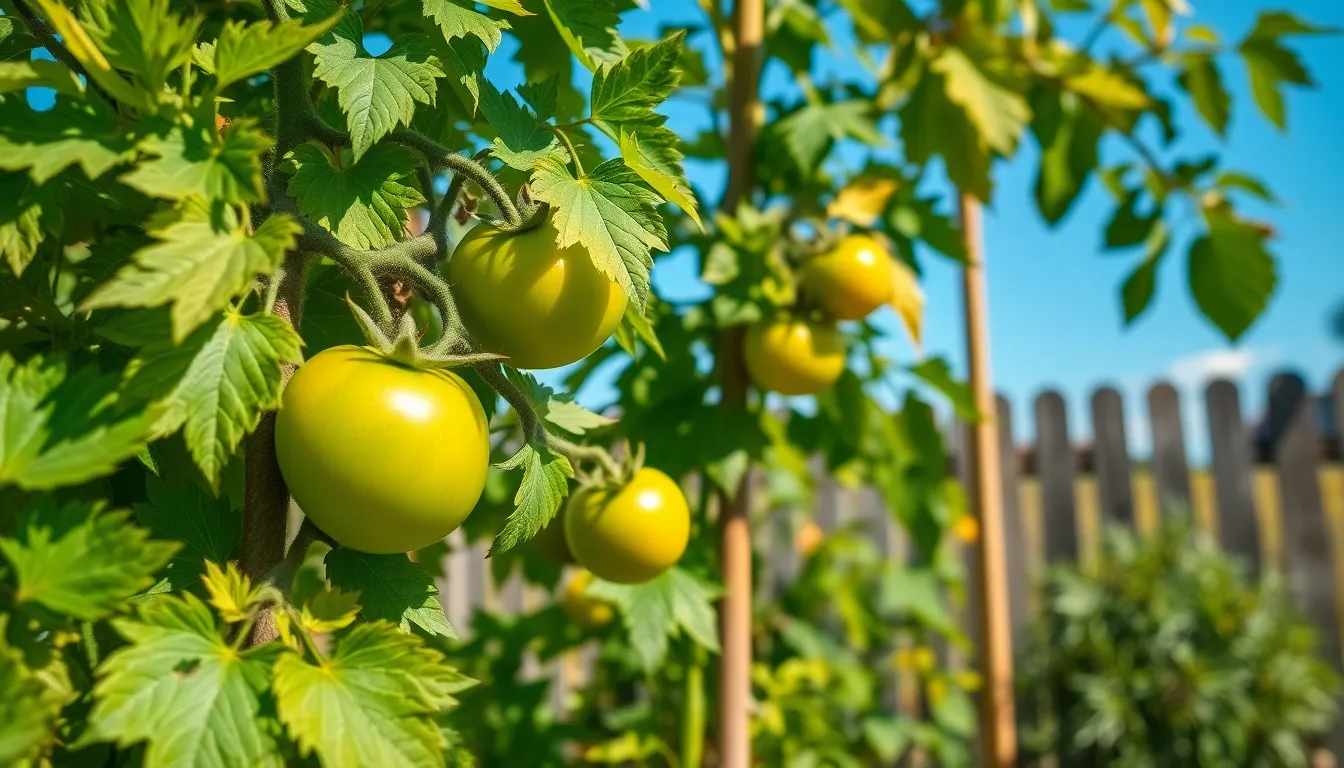
Tomato plants are the pride of any garden, bursting with potential and promise. But when those lush green leaves start to turn a shade of yellow, it can feel like a gardening tragedy. Is it a sign of impending doom or just a minor hiccup in the plant’s journey? Fear not, for understanding the reasons behind this color change can save your precious tomatoes from a fate worse than bland salads.
Common Reasons for Yellowing Tomato Plants
Yellowing leaves in tomato plants can stem from several common issues. Identifying the root cause aids gardeners in restoring plant health and improving tomato quality.
Nutrient Deficiencies
Nutrient deficiencies often lead to yellowing leaves. Nitrogen, magnesium, and iron are essential for healthy tomato growth. A lack of nitrogen causes older leaves to turn yellow, signaling a need for fertilizer. Magnesium deficiency typically results in yellowing between veins of younger leaves. Iron deficiency presents as yellowing in the young leaves, often with green veins remaining. Soil testing can help pinpoint specific nutrient shortages. Adjusting fertilizer or amending the soil restores balance.
Overwatering and Underwatering
Overwatering and underwatering both contribute to yellowing foliage. Excess water leads to root rot, preventing roots from taking up nutrients. Symptoms include yellow leaves that may fall off the plant. On the other hand, underwatering stresses the plant, causing leaves to yellow and wilt. Monitoring soil moisture levels is essential. Watering based on environmental conditions and plant needs keeps tomato plants thriving.
Pests and Diseases
Pests and diseases greatly affect the health of tomato plants. Common pests like aphids and spider mites suck sap, leading to yellowing and weakening plants. Fungal diseases, such as early blight, manifest as yellow or brown spots on leaves. Regular inspections allow for early detection of infestations and diseases. Employing pest control methods and maintaining plant hygiene reduces the risk of yellowing caused by these issues.
Identifying the Symptoms
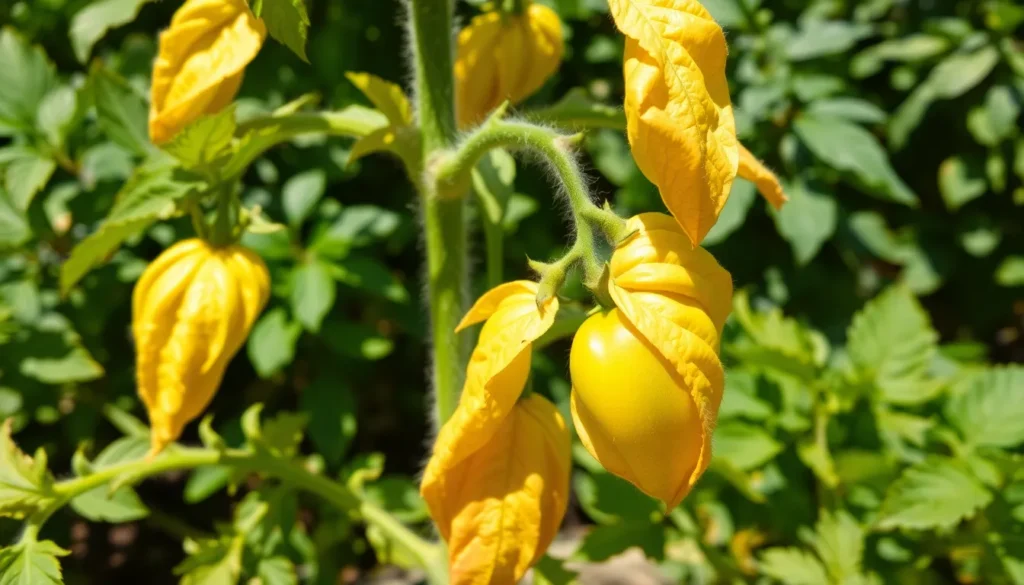
Recognizing yellowing leaves in tomato plants quickly helps in addressing underlying issues. Diagnostic observation ensures effective action for plant health.
Early Signs of Yellowing
Initial yellowing often appears on older leaves. Gardeners might notice a gradual fading of color, particularly at the leaf margins. Leaves may exhibit a pale green hue, progressing to yellow as the condition worsens. This symptom indicates potential nutrient deficiencies or water stress. Additional signs include wilting or curling, which suggest further complications for the plants. Early intervention can prevent more severe problems from developing.
Comparing Leaf Types
Different leaf types respond distinctly to yellowing. Indeterminate varieties tend to show early leaf yellowing, linked primarily to nutrient issues. Determinate types, however, may exhibit yellow leaves as a reaction to environmental stressors. The shape and size of leaves can also impact their resilience to yellowing. Observing variations between leaf types assists in identifying specific causes. Each type’s yellowing signifies a unique factor that requires attention, whether concerning nutrients, pests, or diseases.
Preventive Measures
Healthy tomato plants thrive with proper care. Implementing preventive measures ensures vibrant foliage and optimal fruit production.
Soil Health Management
Nutrient-rich soil is crucial for tomato plant vitality. Testing soil regularly for pH levels and nutrient content can guide amendments. Adding organic matter, like compost or well-rotted manure, enhances fertility and structure. Ensuring proper drainage prevents root diseases. Incorporating mulch also conserves moisture and suppresses weeds. In maintaining balanced soil nutrients, plants absorb essential minerals, promoting lush green growth.
Proper Watering Techniques
Overwatering and underwatering lead to plant stress. Establish a consistent watering schedule, targeting a depth of 6 to 12 inches in the soil. Monitoring soil moisture helps gauge needs; applying water directly to the base of the plants minimizes leaf wetness and fungal disease risks. Implementing drip irrigation or soaker hoses promotes efficient water use, maintaining even moisture. Adjusting frequency based on weather conditions supports healthy growth. Consistent watering practices prevent yellowing leaves and support robust tomato plants.
Treatment Options
Addressing yellowing leaves in tomato plants requires prompt action. Various treatment options exist, each catering to different causes of discoloration.
Organic Solutions
Improving soil health represents a key organic method. Adding compost enriches nutrient levels, strengthening plant health. Application of organic fertilizers like fish emulsion or seaweed offers additional nutrients. Using Epsom salt can assist in correcting magnesium deficiencies. Regular foliar sprays containing organic materials may enhance overall plant vitality. Mulching around the base retains moisture and suppresses weeds, which can contribute to stress. Monitoring these practices consistently ensures well-nourished plants and vibrant foliage.
Chemical Treatments
Chemical solutions also play a role in managing yellowing leaves. Using balanced fertilizers that include nitrogen, magnesium, and iron addresses specific nutrient deficiencies effectively. Applying systemic insecticides helps control pest populations like aphids or spider mites. Fungicides can provide relief from fungal diseases affecting leaves. It’s important to follow manufacturer instructions to prevent plant damage. Regular monitoring allows for timely applications, maintaining plant health throughout the growing season. Using these treatments strategically assists in restoring the vigor of tomato plants.
Yellowing leaves in tomato plants can signal various underlying issues that need attention. By understanding the causes and symptoms, gardeners can take proactive measures to restore their plants’ health. Regular monitoring and proper care are key to preventing yellowing and ensuring robust growth. Implementing effective soil management techniques and maintaining a consistent watering schedule will greatly enhance tomato quality. Whether opting for organic solutions or balanced fertilizers, timely interventions can make a significant difference. Ultimately, a vigilant approach will lead to thriving tomato plants and a bountiful harvest.