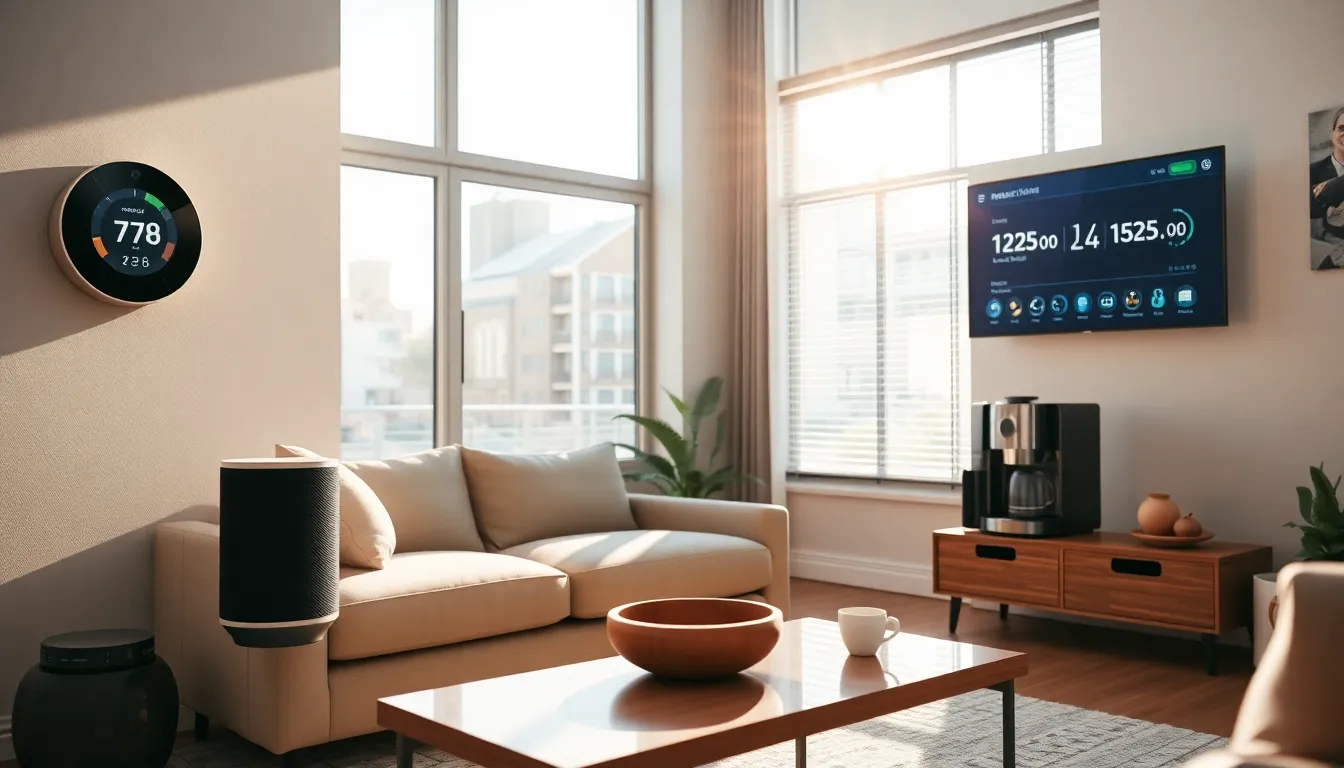
Imagine waking up, and as your eyelids flutter open, the coffee starts brewing, the blinds gently rise to let the sun pour in, and your playlist begins to serenade you, all without you lifting a finger. Welcome to the world of Internet of Things, or IoT, in smart homes. This cutting-edge technology is not just a futuristic fantasy but an exciting reality making waves in how we live. Let’s jump into what IoT really is, its components, benefits, challenges, and the thrilling future that awaits us.
Understanding The Internet Of Things (IoT)

What Is IoT?
The Internet of Things, or IoT, refers to a network of devices connected to the internet, allowing them to collect, exchange, and analyze data. Think of it as a digital ecosystem where everyday objects gain the ability to communicate with each other and share insights. From smart thermostats to fitness trackers, IoT transforms ordinary items into ‘smart’ devices that make life simpler and more efficient.
How IoT Works
At its core, IoT works through a combination of sensors, software, and communication protocols. Devices collect data about their surroundings using sensors, which is then transmitted through a network, often the internet. This data can be processed and analyzed in real-time. For example, a smart thermostat learns your heating preferences, adjusting the temperature automatically based on the data it gathers, enhancing comfort and energy efficiency.
Key Components Of IoT
Devices Commonly Used In Smart Homes
Smart homes incorporate various devices designed to enhance comfort and efficiency. Common examples include smart lighting systems that can be controlled via an app or voice commands, intelligent thermostats that optimize energy use, and security cameras that provide real-time monitoring.
IoT Sensors And Actuators
Sensors are crucial in the IoT landscape. They monitor conditions such as temperature, humidity, or motion, sending data back to the central system. Actuators, on the other hand, are responsible for performing actions based on the processed data, like locking doors or adjusting the thermostat. Together, they create an interlinked environment that adjusts automatically to users’ needs.
Smart Assistants And Hub Devices
Smart assistants, like Amazon Alexa or Google Assistant, serve as the brain of smart homes. They allow users to control multiple devices seamlessly through voice commands or apps. Hub devices connect and manage various smart gadgets, ensuring they communicate effectively, further enhancing usability and functionality.
Benefits Of IoT In Smart Homes
Enhanced Security Features
One of the most significant advantages of incorporating IoT devices in households is enhanced security. Smart cameras and doorbells provide real-time video feeds, allowing homeowners to monitor their property from anywhere, be it at work or on vacation. Alerts for unusual activities keep families connected and informed, offering peace of mind.
Energy Efficiency And Cost Savings
IoT empowers homeowners to minimize energy consumption through smart devices that learn habits, leading to significant cost savings. For instance, smart thermostats can adjust temperatures when residents are away, while intelligent lighting can turn off automatically in empty rooms. Not only does this lead to lower bills, but it also helps in reducing carbon footprints.
Convenience And Quality Of Life Improvements
From automated cleaning robots to smart coffee makers that prepare your morning brew, IoT enhances the quality of life in many ways. Tasks that once consumed valuable time can now be managed with simple voice commands or scheduled routines, allowing individuals more freedom to enjoy their lives.
Challenges And Concerns
Security And Privacy Issues
While the advantages are plentiful, the integration of IoT devices also raises valid concerns, particularly around security and privacy. With devices collecting copious amounts of data, ensuring that information is secure from cyber threats presents a significant challenge. Homeowners need to stay vigilant by adopting best practices like regularly updating device software and utilizing strong, unique passwords.
Interoperability And Standardization Challenges
Another issue that arises is the lack of standardized protocols for IoT devices. Many products from different manufacturers might not work seamlessly together, causing frustration. The quest for device compatibility and intuitive integration remains a hurdle, but ongoing developments in technology are aiming to create a more cohesive user experience.
The Future Of IoT In Smart Homes
Predicted Trends And Innovations
Looking ahead, the future of IoT in smart homes holds remarkable potential. Innovations such as improved energy management systems, more advanced security measures, and the gradual integration of IoT across all household aspects are anticipated. Experts predict a surge in the adoption of smart appliances that not only communicate with users but also interact with each other seamlessly.
The Role Of AI And Machine Learning
Artificial intelligence and machine learning will play pivotal roles in shaping smart homes. These technologies not only enhance the decision-making process of IoT devices but also enable predictive analytics, anticipating user needs. Imagine a home that learns your habits over time and adjusts its operations accordingly, that’s the future we’re heading towards.