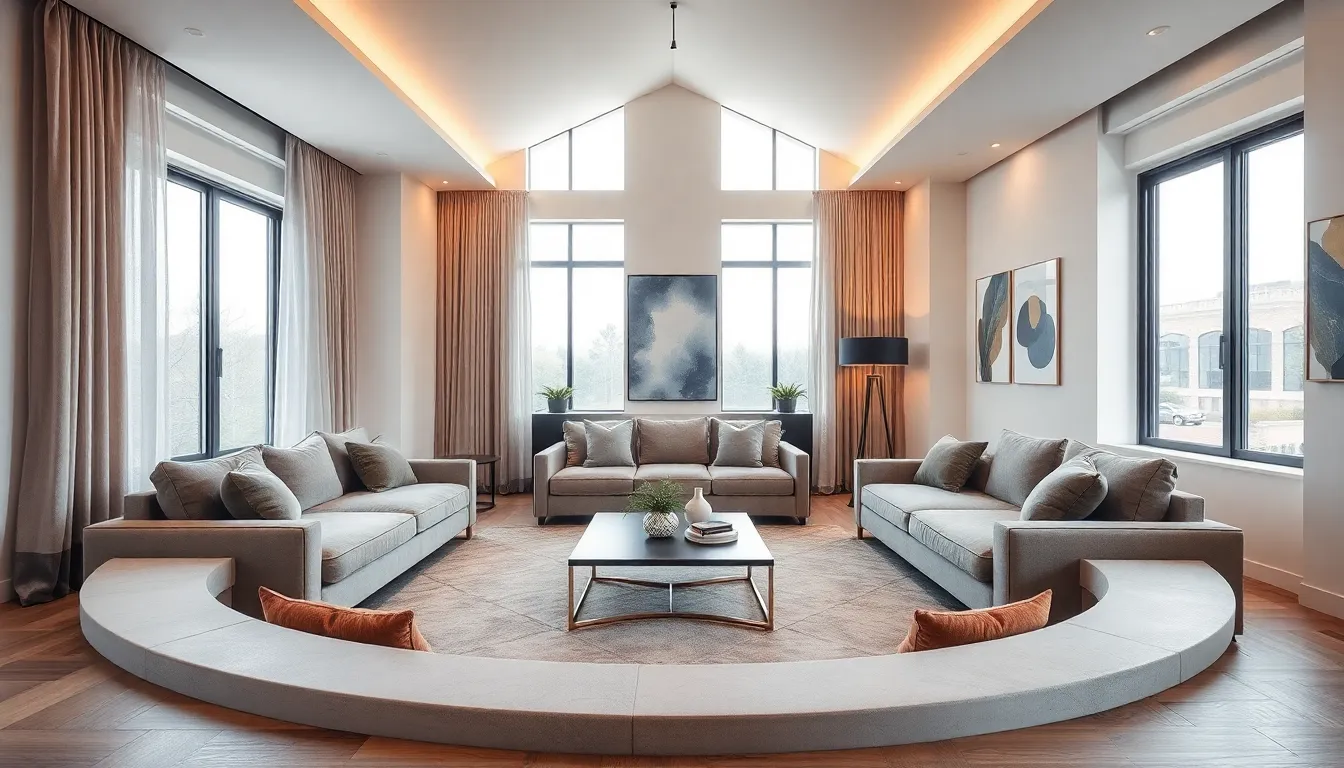
Imagine stepping into a space that hugs you right back, sounds cozy, doesn’t it? Sunken living rooms, often the unsung heroes of home design, deliver that inviting feel with flair. With their distinctive architecture and a blend of comfort and style, they’re a wonderful blend of nostalgia and modernity. If you’ve ever dreamt of a space that commands attention while also providing a serene retreat, this article will guide you through everything you need to know about sunken living rooms, from their origins to design tips. So, buckle up as we dive deep into this delightful design trend.
What Is a Sunken Living Room?
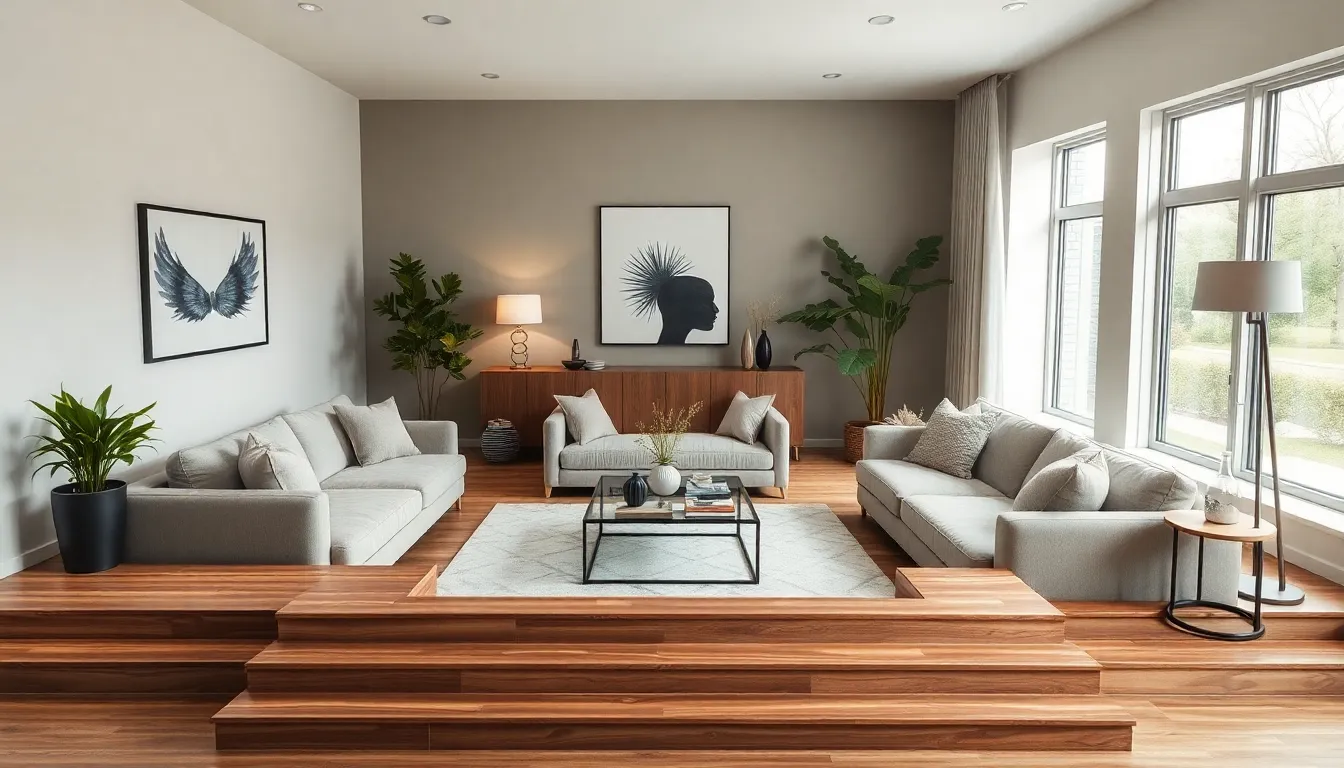
Sunken living rooms, also called sunken lounges, are unique spaces that are set below the surrounding floor level. Usually enclosed by a small step or a change in the flooring, these areas create a distinct visual differentiation that invites relaxation and conversation. The whimsical vibe transcends traditional designs, making sunken living rooms an excellent choice for those looking to break away from cookie-cutter aesthetics.
The concept is pretty straightforward: by lowering the floor a few steps, homeowners can create an intimate enclave that naturally draws people in. Whether surrounded by large windows or wrapped in a cozy ambiance, these living rooms elevate the overall aesthetic of a home while also maximizing space.
History and Evolution of Sunken Living Rooms
The history of sunken living rooms dates back to the mid-20th century. They gained prominence during the 1960s and 70s when architects started to embrace open-concept floor plans. This was a radical change from the segmented and compartmentalized homes of previous decades.
Initially, these spaces were favored for their visual appeal and ability to create an effortless flow between rooms. Think of them as the unofficial star of modernist design. As years went by, the sunken living room evolved alongside various design movements, from the rustic charm of mid-century designs to contemporary styles that emphasize minimalism and functionality.
Fast forward to today, and the charm of sunken living rooms persists, now featuring an array of design ideas that cater to various tastes. They have transitioned from the vibrant pops of color and shaggy carpets of the 70s to today’s sleek and sophisticated approaches.
Many homeowners are now opting for eco-friendly materials and integrated technology, keeping the concept fresh and relevant.
Benefits of a Sunken Living Room
Sunken living rooms offer several enticing benefits that extend beyond their aesthetic appeal.
- Spatial Illusion: The descending floor creates a sense of depth, making a room feel larger than it actually is. Perfect for smaller homes.
- Visual Interest: The difference in height adds a layer of visual intrigue, drawing the eye and encouraging conversation that flows naturally.
- Focal Point Creation: They act as a natural focal point in a home, perfect for showcasing artwork, accents, or a cozy fireplace.
- Sound Quality: Interestingly enough, the unique shape can enhance sound quality, making it easier for conversations to flow smoothly. Think of it as nature’s surround sound.
- Intimacy: The lower space naturally promotes a more intimate atmosphere for gatherings, making it great for hosting friends or family.
Design Considerations for Sunken Living Rooms
When planning a sunken living room, several design considerations can enhance its beauty and functionality.
Start with the layout: Position the seating to encourage interaction. A circular arrangement usually works wonders. You can also consider choosing furniture that complements the lowered space, opting for lower profiles to maintain the visual flow.
Lighting is crucial. Ambient lighting can elevate the mood, while additional lighting can highlight particular areas or decorations. Consider using recessed lighting or floor lamps to keep the area well-lit without overpowering the cozy charm.
Also, think about the flooring materials. Choices like wood, tile, or even plush carpeting can make a dramatic difference. Make sure to keep the aesthetic in line with the rest of your home. Finally, accessibility should be a priority. Ensure that any steps leading into the sunken portion are safe and easy to navigate.
How to Incorporate a Sunken Living Room in Your Home
Incorporating a sunken living room into your home can be a fantastic way to enhance space and style. Start by evaluating your current layout. If you have an area that feels underutilized, it might be a great candidate for transformation.
Engaging with a skilled architect or designer can provide valuable insights. They can suggest how to integrate this unique feature without sacrificing your home’s overall flow or functionality. Also, consider zoning laws and potential structural adjustments that may need to be made.
Once you’re set on the idea, take a step back and envision what your sunken living room will look like. This might include a fireplace, built-in bookshelves, or even innovative technologies like integrated sound systems. Always prioritize comfort, after all, this should be a place of relaxation.
Popular Styles and Features of Sunken Living Rooms
The variety of styles and features you can incorporate into a sunken living room are as diverse as they are delightful.
- Mid-Century Modern: Known for clean lines and organic forms, this style emphasizes simplicity and functionality, often featuring bold colors and furniture with tapered legs.
- Contemporary: This style embraces the current trend of minimalism, focusing on neutral colors, clutter-free surfaces, and an open feel, perfect for the modern aesthetic.
- Rustic Chic: Incorporating natural materials like reclaimed wood, stone accents, and earthy tones, this style welcomes warmth and coziness.
- Industrial: Exposed brick, metal accents, and earthy palettes characterize this edgy style, often providing a stark contrast to a softer, sunken area.
Each of these styles can be tailored to fit the sunken aspect, ensuring it becomes a centerpiece rather than an afterthought.
Maintenance and Safety Tips for Sunken Living Rooms
Caring for a sunken living room requires a bit of foresight. Note the following maintenance and safety tips to keep your space functional and beautiful.
Regular Cleaning: Depending on the flooring material, regular cleaning is essential to prevent wear and tear. For carpets, regular vacuuming is important, while wooden floors benefit from occasional polishing.
Check for Safety Hazards: Ensure that any steps leading into the sunken area are properly marked and well-lit. The edges should be rounded or buffered to prevent accidents. Non-slip surfaces are a must.
Maintain Drainage: Sunken areas can be prone to flooding, especially in basements. Ensure proper drainage systems are in place to prevent water accumulation.
Finally, keep an eye on any cracks or structural issues that may arise and address them promptly to maintain both aesthetics and safety.