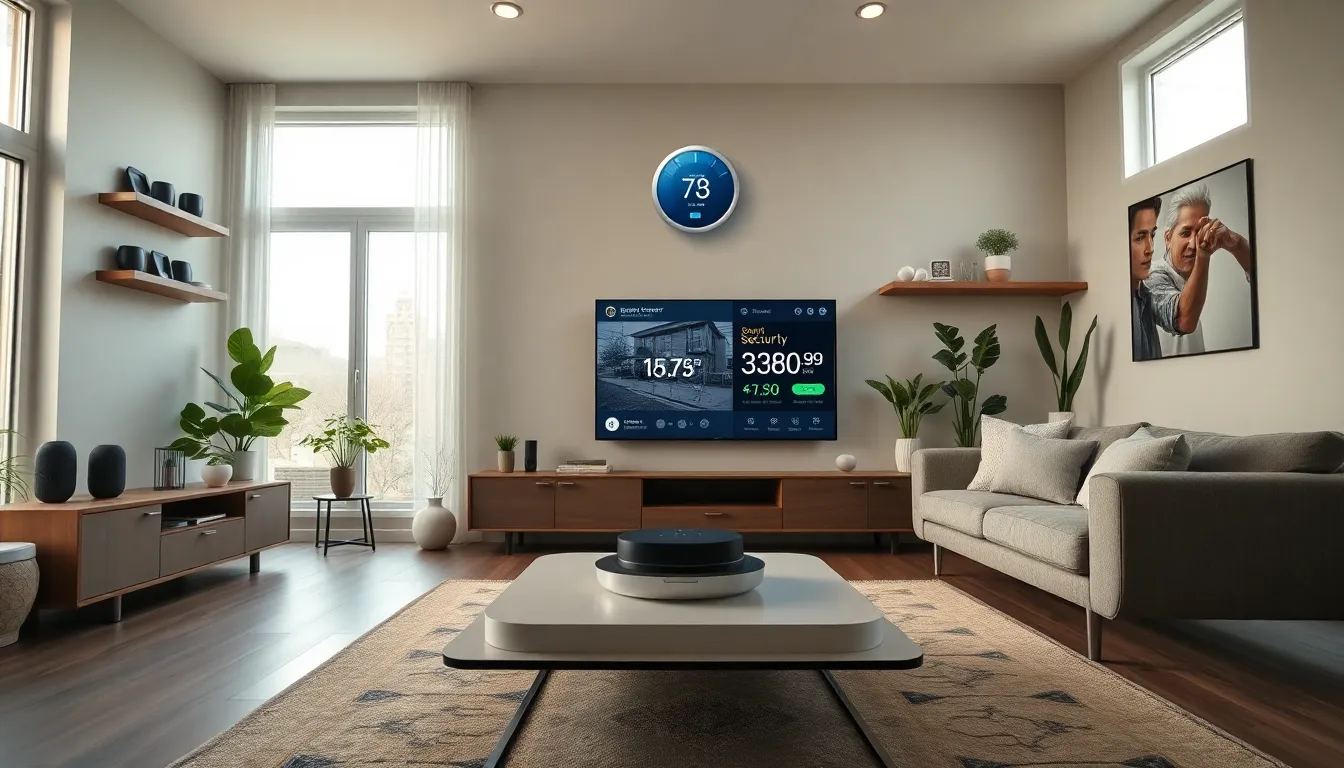
Welcome to the future of living, where your home not only watches over you but might even know you better than your best friend. Say goodbye to fumbling around for light switches and hello to smart homes that anticipate your needs. Whether it’s adjusting the thermostat or brewing your morning coffee, modern smart homes are here to revolutionize everyday life. Curious about how this technology works and what it means for your lifestyle? Buckle up, because we’re diving into the dynamic world of smart home technology.
Understanding Smart Home Technology

Smart home technology refers to devices connected to a common network, allowing control and monitoring through a smartphone app or voice commands. These technologies rely on internet connectivity to function. Imagine being able to lock your door, turn off lights, or adjust the thermostat all from your phone. That’s the magic of smart homes.
It’s not just about convenience: it’s about creating a seamless living experience. From smart speakers that listen and respond to your commands to security cameras monitored directly from your device, understanding these technologies offers a glimpse into the homeowner’s future. The data collected by these devices helps tailor the home’s functionality to fit the unique lifestyle of its occupants.
This integration contributes to creating an environment that is both safe and efficient, providing an effortless living experience that might sound too good to be true. But rest assured, it’s already changing the way people live, one smart device at a time.
Key Components of Smart Homes
Modern smart homes consist of several key components that communicate with each other effortlessly. Let’s break these down:
- Smart Hub: This is the heart of the smart home ecosystem. It connects all smart devices, allowing them to communicate. Think of it as the command center.
- Smart Lighting: LED bulbs connected to Wi-Fi can be controlled remotely. Imagine dimming the lights with a simple voice command or scheduling them to turn on at dusk.
- Smart Thermostats: These devices learn your routines, optimizing heating and cooling settings to save energy effectively. They adapt according to your preferences, ensuring comfort without wasting resources.
- Smart Security Systems: These include cameras, doorbell cameras, and smart locks. Homeowners can monitor activity in real time, offering peace of mind whether they’re at home or away.
- Smart Appliances: From refrigerators that track grocery items to ovens that allow remote cooking adjustments, smart appliances elevate convenience to new levels.
- Voice Assistants: Devices like Amazon Alexa or Google Assistant serve as personal assistants, controlling various devices with simple voice commands.
Each of these components plays a significant role in creating a connected ecosystem that enhances the overall living experience.
Benefits of Smart Home Living
The benefits of living in a smart home are impressive, enticing many to embrace this technological evolution:
- Convenience: Imagine walking into a dark house, and with a simple voice command, the lights switch on, the music plays, and the coffee brews. It’s all about making life easier.
- Energy Efficiency: Smart devices help monitor energy usage and adjust settings accordingly. Smart thermostats alone can save homeowners up to 10-12% on energy bills by optimizing heating and cooling.
- Increased Security: Smart security systems provide alerts for unusual activities, keeping homeowners informed. Remote monitoring offers peace of mind, making it easier to ensure the safety of loved ones.
- Customization: A smart home can adapt to different lifestyles, allowing users to tailor their environment to meet personal preferences. Want the lights dimmed at a certain time? Or your favorite music playing as you enter? You got it.
- Enhanced Comfort: Sensors and automation ensure the home maintains an ideal environment, making it cozy regardless of the outdoor conditions. Who doesn’t want the perfect temperature or preferred lighting on command?
With all these advantages, it’s no surprise that smart homes are becoming a staple for modern living.
Challenges and Concerns
Even though the fantastic benefits, smart home technology isn’t without its challenges and concerns:
- Privacy Issues: With many devices collecting data, privacy is a huge concern. Homeowners need to navigate which information is shared and with whom.
- Integration Problems: Not all devices can communicate seamlessly. Homeowners may face challenges when adding new smart devices that aren’t compatible with existing systems.
- Costs: Setting up a smart home can be expensive. High-quality devices and systems often come with a hefty price tag. Budgeting for a smart upgrade is crucial.
- Dependence on Internet: Connectivity issues can hinder device performance. If the internet goes down, homeowners might find themselves in a world without their smart conveniences.
- Learning Curve: For those who aren’t tech-savvy, navigating smart home technology can feel daunting at first. Proper setup and understanding how to use these devices effectively are vital for maximizing their benefits.
These challenges won’t deter many, but being aware of them can help homeowners make informed decisions.
Future Trends in Smart Home Technology
The realm of smart home technology is ever-evolving. Here are some exciting trends shaping its future:
- Increased Interoperability: As smart homes become more complex, the demand for devices that can communicate across various platforms will rise. Expect more unified systems that simplify user experiences.
- Artificial Intelligence: AI integration will enhance personalized experiences, predicting homeowners’ needs better than ever before. The home of the future might know what you want before you even say it.
- Home Health Technology: Devices monitoring health and wellness will become more prevalent, think smart mirrors that track vital signs or appliances that suggest meal plans based on health data.
- Focus on Sustainability: Smart homes are shifting toward greener technologies, incorporating solar-powered devices and systems that minimize energy consumption.
- Enhanced Security Features: Advanced biometric systems and AI-driven security measures will increase safety in smart homes, providing smarter deterrents against intruders.
These trends highlight a shift toward increasingly sophisticated technologies designed to enhance our living environments in ways we are just beginning to explore.
Tips for Creating a Smart Home
Turning a traditional home into a smart oasis might feel overwhelming, but it doesn’t have to be. Here are some practical tips:
- Start Small: Begin with one or two devices, like smart lights or a smart speaker, and gradually expand your smart home ecosystem.
- Do Your Research: Find devices that are compatible and meet your specific needs. Reading product reviews and feature comparisons can point you in the right direction.
- Invest in a Quality Hub: A reliable smart hub ensures all devices function harmoniously. Brands like Samsung SmartThings are excellent options.
- Prioritize Security: Ensure any connected devices have robust security features. Two-factor authentication should be a must-have for smart home security.
- Keep Updated: Regularly update device software to stay protected against vulnerabilities and to ensure devices work smoothly.
- Understand Usage and Needs: Tailor your environment to your lifestyle. Choose devices that genuinely improve daily routines and comfort rather than just filling the home with tech for tech’s sake.
With these tips, anyone can embark on creating a connected, efficient living space without the overwhelm.