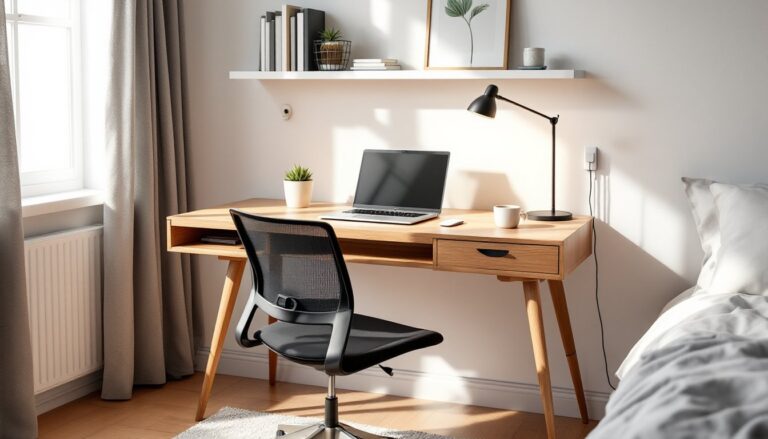
Many workers dealing with chronic back pain, sciatica, or other musculoskeletal issues wonder whether their Health Savings Account can cover a quality ergonomic office chair. The short answer: sometimes, but only with proper documentation. Unlike most consumer purchases, HSA-eligible expenses must meet IRS criteria for medical necessity. An office chair doesn’t automatically qualify just because someone sits in it all day. The key is proving the chair treats or prevents a specific medical condition diagnosed by a healthcare provider. This guide walks through exactly when an office chair qualifies, what documentation is needed, and how to successfully purchase one using HSA funds.
Table of Contents
ToggleKey Takeaways
- An HSA office chair qualifies as a tax-free expense only when medically prescribed for a specific diagnosed condition, not for general comfort or productivity.
- A Letter of Medical Necessity from a healthcare provider is required, detailing the specific diagnosis, medical condition being treated, and how chair features directly address the medical need.
- Medical-grade ergonomic office chairs typically cost $500–$1,500 and must feature adjustable elements like lumbar support, seat depth adjustment, or four-dimensional armrests matched to your diagnosis.
- To successfully use HSA funds for an office chair, research qualifying models, purchase with an itemized receipt, and submit both documentation and the Letter of Medical Necessity to your HSA administrator.
- Beyond office chairs, alternative seating solutions like standing desk converters, seat cushions, and adjustable footrests can be HSA-eligible if medically necessary and properly documented.
- Keep all receipts and medical documentation for at least three years, as the IRS can audit HSA expenses and deny reimbursement without proper proof of medical necessity.
Understanding HSA Basics and Eligible Expenses
A Health Savings Account (HSA) is a tax-advantaged account paired with a high-deductible health plan (HDHP). Contributions are pre-tax, growth is tax-free, and withdrawals for qualified medical expenses aren’t taxed either. That triple tax benefit makes HSAs powerful tools for managing healthcare costs.
The IRS defines eligible expenses broadly under Section 213(d) of the tax code: costs primarily for the diagnosis, cure, mitigation, treatment, or prevention of disease. This includes obvious items like prescription medications and doctor visits, but also extends to medical equipment and devices when prescribed for a specific condition.
Office chairs fall into a gray area. They’re not inherently medical devices, but they can become eligible when a healthcare provider determines one is medically necessary to treat a diagnosed condition. The burden of proof sits with the account holder. Without proper documentation, the IRS can disallow the expense, levy taxes on the withdrawal, and add a 20% penalty if the account holder is under 65.
General comfort, productivity, or “wellness” don’t meet the medical necessity threshold. The chair must address a specific diagnosis like degenerative disc disease, post-surgical recovery needs, or documented chronic pain conditions. Understanding this distinction upfront saves headaches during tax season.
When Does an Office Chair Qualify as an HSA-Eligible Expense?
An office chair becomes HSA-eligible when it’s prescribed as durable medical equipment (DME) to treat a diagnosed medical condition. Common qualifying scenarios include:
- Chronic lower back pain or lumbar radiculopathy requiring specific lumbar support
- Post-surgical recovery following spinal surgery or hip replacement
- Sciatica or herniated discs requiring pressure redistribution
- Severe arthritis limiting mobility and requiring adjustable positioning
- Work-related repetitive stress injuries documented by occupational health providers
The chair must do more than provide comfort. It needs features that directly address the medical issue, adjustable lumbar support for disc problems, waterfall seat edges for circulation issues, or highly adjustable armrests for shoulder impingement.
A general “ergonomic” chair marketed for office use won’t cut it without medical backing. Even premium models from manufacturers focused on workplace wellness need that prescription link to a specific diagnosis. The IRS doesn’t care about brand reputation or price point: they care about medical necessity.
Medical Necessity Documentation Requirements
Proper documentation is non-negotiable. Account holders need a Letter of Medical Necessity (LMN) from a licensed healthcare provider. This letter must include:
- Patient’s full name and date of birth
- Provider’s name, credentials, and contact information
- Specific medical diagnosis (ICD-10 code strengthens the case)
- Detailed explanation of why the chair is medically necessary
- Description of required chair features (adjustable lumbar support, seat depth adjustment, etc.)
- Statement that the chair is used primarily to treat the medical condition
- Provider’s signature and date
Some HSA administrators require additional documentation, like itemized receipts showing the chair’s features or proof that insurance didn’t cover the expense. Keep all records for at least three years in case of an IRS audit.
Vague letters stating someone “would benefit from an ergonomic chair” get rejected. The language needs to be clinical and specific, tying chair features directly to treatment goals.
Best Ergonomic Office Chairs for Medical Conditions
When shopping with medical necessity in mind, prioritize chairs with adjustable features that address specific diagnoses. Cookie-cutter office chairs won’t satisfy either medical needs or HSA documentation requirements.
For lumbar and disc issues, look for chairs with adjustable lumbar support that moves both vertically and in depth. The lumbar pad should sit at the natural curve of the lower spine (around L4-L5). Models with synchro-tilt mechanisms maintain proper spine alignment when reclining, which matters for users who shift positions frequently to manage pain.
For sciatica and pressure-point pain, prioritize seat depth adjustment and waterfall front edges. The seat should allow 2-3 inches of clearance behind the knees when sitting fully back. Some medical-grade chairs offer seat angle adjustment to redistribute weight away from the tailbone and sciatic nerve pathway.
For arthritis or limited mobility, fully adjustable armrests (height, width, depth, and angle) reduce shoulder and neck strain. Four-dimensional armrests let users position support exactly where needed without compensating with poor posture. Many professionals dealing with ergonomic workspace challenges focus on chairs that support multiple position changes throughout the day.
For post-surgical recovery, consider chairs with easy-access controls and minimal required strength to adjust. Pneumatic height adjustment should operate smoothly with minimal force. Some recovery scenarios require chairs without wheels initially, or models with locking casters.
Price ranges vary widely. Medical-grade ergonomic chairs typically run $500-$1,500, though specialized models for severe conditions can exceed $2,000. The HSA covers the portion deemed medically necessary: if a chair includes premium materials or aesthetics beyond medical requirements, that portion may not qualify.
How to Get a Letter of Medical Necessity for Your Office Chair
Start by scheduling an appointment with the appropriate healthcare provider. Primary care physicians can write LMNs, but specialists carry more weight for specific conditions. For back issues, see an orthopedist, physiatrist, or pain management specialist. For repetitive stress injuries, an occupational medicine doctor or physical therapist may be appropriate.
Come prepared. Bring documentation of your condition, current symptoms, and how your existing seating affects your diagnosis. If current seating worsens pain or interferes with treatment compliance, explain specifically how. Providers respond better to concrete details than vague discomfort complaints.
During the appointment, discuss exactly what chair features address your medical needs. If the provider isn’t familiar with ergonomic chair specifications, bring information about adjustable lumbar support, seat depth, or other relevant features. The goal is to get specific language in the letter tying those features to your diagnosis.
After the appointment, request the LMN in writing. Some providers charge administrative fees ($25-$75 is common) since insurance doesn’t typically reimburse for letter preparation. The letter should arrive within 1-2 weeks. Review it carefully, it needs all the elements listed earlier.
If the first letter comes back too vague, contact the provider’s office and explain what’s missing. Many home office setups reviewed by testing labs emphasize medical necessity documentation as a common stumbling block. Medical staff aren’t always familiar with HSA requirements, so polite persistence helps.
Once you have the letter, make multiple copies. Keep the original in your medical records, one copy with your tax documents, and another with your HSA receipts. Some people also scan and store digital copies in case physical documents get lost.
Purchasing Your HSA Office Chair: Step-by-Step Process
Step 1: Verify your HSA balance and confirm your plan allows DME purchases without pre-authorization. Some HSA administrators have specific claims processes: check before buying.
Step 2: Research chairs that match the features specified in your LMN. Don’t buy first and hope it qualifies later. The chair’s actual features must align with the documented medical necessity.
Step 3: Purchase the chair and keep the itemized receipt. Credit card statements aren’t sufficient, the receipt must show the specific product name, model number, purchase date, seller information, and itemized price breakdown if multiple items were included.
Step 4: Submit the expense to your HSA administrator. Methods vary: some use mobile apps, others require paper forms. Include the itemized receipt and Letter of Medical Necessity. Some administrators want both upfront: others only request the LMN if the claim is questioned.
Step 5: If using an HSA debit card directly at purchase, keep documentation anyway. The IRS can audit HSA expenses years later, and the card transaction alone doesn’t prove eligibility.
Step 6: If the claim is denied, request a written explanation. Common denial reasons include incomplete LMNs, receipts that don’t specify chair features, or chairs that appear to be general office furniture. Many denials can be overturned with additional documentation.
Step 7: Track the expense in your personal records. When tax season arrives, HSA distributions appear on Form 1099-SA. If audited, having organized documentation prevents penalties. Most home design decisions don’t require this level of paperwork, but medical expenses do.
Some retailers market chairs as “HSA-eligible,” but that’s just marketing unless backed by your specific medical documentation. Eligibility depends on individual medical necessity, not product classification.
Alternative Health-Related Seating Options Covered by HSAs
Beyond traditional office chairs, other seating solutions may qualify with proper medical documentation:
Standing desk converters or sit-stand desks can be HSA-eligible when prescribed for circulation issues, varicose veins, or conditions worsened by prolonged sitting. The LMN should specify why alternating positions is medically necessary.
Kneeling chairs sometimes qualify for specific lower back conditions where redistributing weight off the spine provides therapeutic benefit. These are less common but can work for certain diagnoses.
Saddle seats or active sitting stools may qualify for pelvic floor disorders, certain hip conditions, or when prescribed by physical therapists as part of active rehabilitation. Documentation needs to explain why active sitting serves a therapeutic purpose.
Seat cushions and lumbar supports are easier to qualify than full chairs. Medical-grade coccyx cushions for tailbone injuries, memory foam supports for post-surgical recovery, or prescribed orthopedic seat wedges typically need less extensive documentation.
Adjustable footrests can be eligible when needed for circulation problems, height accommodation with a medically necessary chair, or specific leg length discrepancy issues.
These items follow the same documentation rules: medical necessity must be established through professional diagnosis and prescription. General comfort or ergonomic preference doesn’t create eligibility.
In all cases, the expense must be primarily for medical care. If an item serves dual purposes (medical treatment and general use), only the portion attributed to medical necessity may qualify. A $2,000 designer chair with $600 worth of medical features might only justify $600 in HSA funds. Consult a tax professional for complex situations, especially with high-value purchases.