In a world where the couch seems more inviting than the office chair, creating an efficient home workspace has never been more crucial. It’s time to swap out those pajama pants for productivity! With a few simple tweaks, anyone can transform a cluttered corner into a powerhouse of creativity and focus.
Understanding Efficient Home Workspace
Creating an efficient home workspace involves arranging the environment to promote productivity and minimize distractions. A well-structured setup optimally supports work tasks.
Definition of Efficient Home Workspace
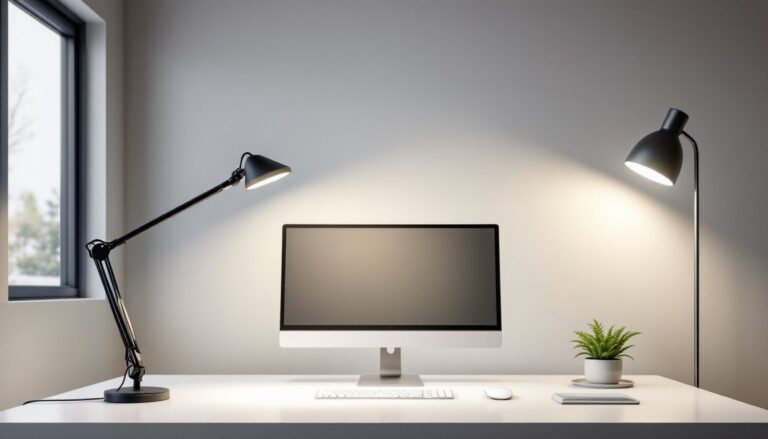
An efficient home workspace is a designated area designed for focused work. This space incorporates ergonomic furniture, adequate lighting, and necessary technology. Elements such as organization and minimal clutter also contribute significantly to its efficiency. The arrangement facilitates a clear separation between personal and professional activities, enhancing focus.
Importance of an Efficient Home Workspace
An efficient home workspace maximizes productivity by reducing distractions. Concentration increases when the area supports comfort through proper ergonomics. Managing time effectively becomes easier as workers perform tasks without interruption. Improved creativity often results from a structured environment that encourages brainstorming. Enhanced overall well-being arises when workers maintain work-life balance through designated workspaces.
Key Elements of an Efficient Home Workspace
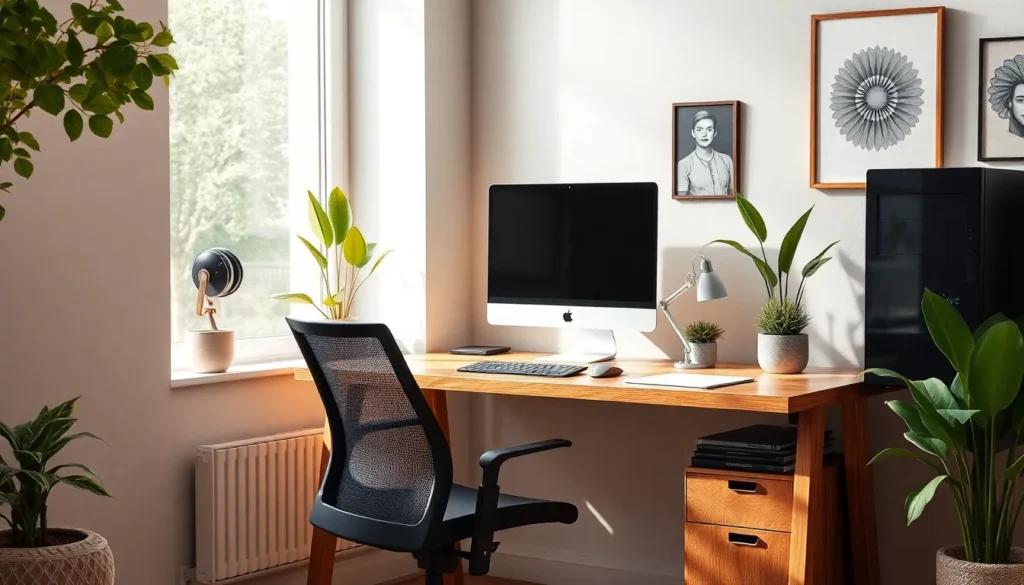
An efficient home workspace combines thoughtful design with essential tools. Being mindful of layout and organization greatly influences productivity and comfort.
Optimal Layout and Design
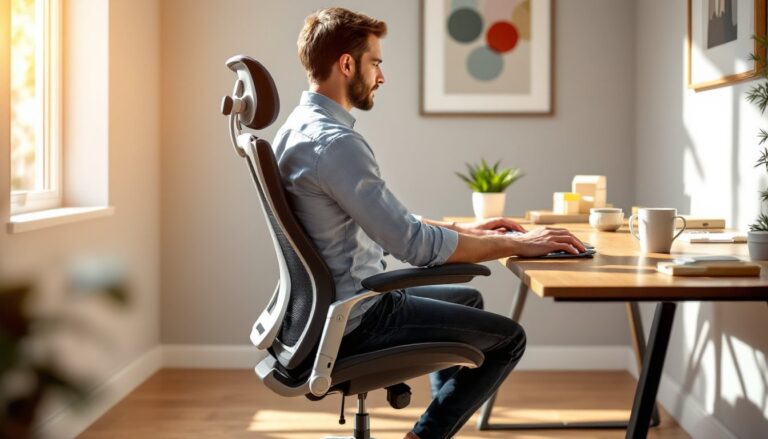
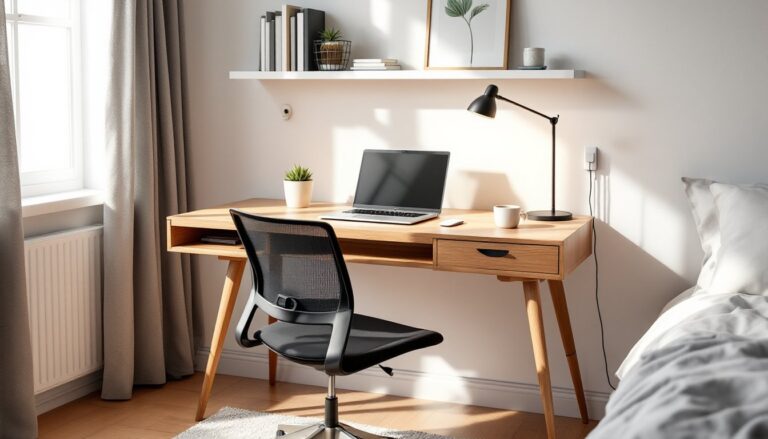
A well-organized workspace promotes efficiency. Positioning the desk against a wall can reduce distractions while providing a clear focus area. An ergonomic chair ensures comfort, supporting good posture during long hours. Natural light plays a crucial role; it boosts mood and energy levels. Including shelving or storage options keeps items accessible yet out of sight, minimizing clutter. By integrating personal touches, such as plants or artwork, the space remains inspiring and motivating.
Essential Tools and Equipment
Appropriate tools amplify output and streamline tasks. A high-speed internet connection cannot be overlooked; it supports seamless communication and efficient research. Quality monitors enhance visual clarity, allowing for effective multitasking. Noise-canceling headphones help drown out distractions, aiding concentration. Software for project management helps track assignments and deadlines efficiently. A reliable printer and good-quality stationery facilitate paperwork tasks, ensuring smooth operations. Each of these elements contributes significantly to a well-rounded workspace that fosters creativity and focus.
Tips for Creating an Efficient Home Workspace
Creating an efficient home workspace relies on thoughtful organization and design.
Decluttering and Organization
Clear surfaces promote focus and productivity. Use storage boxes for paperwork and supplies, keeping frequently used items within easy reach. Labeling boxes enhances organization and simplifies finding necessary materials. A tidy environment reduces stress and minimizes distractions. Utilize vertical space with shelves to free up desk space and present a clean aesthetic. Regularly evaluate items in the workspace and remove anything unnecessary, maintaining an efficient setup.
Ergonomic Considerations
Prioritizing comfort significantly impacts productivity. An ergonomic chair supports good posture and reduces strain during long hours. Position the monitor at eye level, preventing neck or back pain. Desk height matters; a sit-stand desk allows for variation in posture, enhancing comfort throughout the day. Keep essential items within arm’s reach to maintain an efficient workflow. Proper lighting prevents eye fatigue and enhances mood, fostering a productive environment.
Maintaining Your Efficient Home Workspace
Maintaining an efficient home workspace requires regular attention and adjustments. Regularly updating the workspace enhances productivity and keeps motivation high. Consider assessing furniture and equipment every few months to ensure they meet evolving needs. Small changes, like rearranging the layout or adding new technology, can significantly impact comfort and efficiency.
Regular Updates and Improvements
Make adjustments to the workspace as needed. Refreshing the setup fosters motivation and improves functionality. Check ergonomic tools, ensuring they support good posture to reduce strain. Upgrading technology, such as monitors or software, helps maintain efficiency in daily tasks. Regularly declutter by removing obsolete items to create a more conducive environment. Assess lighting periodically to ensure it meets current needs, enhancing focus during work hours.
Balancing Work and Personal Space
Achieving a balance between work and personal space is crucial for productivity. Identifying clear boundaries helps maintain focus during work hours. Create zones where work-related items stay separate from personal belongings, minimizing distractions. Designating specific areas for breaks can enhance mental clarity and well-being. Flexibility in workspace arrangement allows adjustments based on personal preferences or tasks. Including personal elements, like small decor or photos, in a designated area keeps the workspace inviting without overwhelming it.
Creating an efficient home workspace is essential for enhancing productivity and maintaining focus. By thoughtfully designing the environment and incorporating ergonomic furniture and necessary tools, individuals can foster a space that promotes creativity and minimizes distractions. Regularly evaluating the workspace and making adjustments ensures it continues to meet evolving needs.
Establishing clear boundaries between work and personal life further contributes to an effective setup. Personal touches can inspire motivation while maintaining organization is key to sustaining efficiency. Ultimately, a well-structured home workspace not only boosts output but also supports overall well-being, making it a vital aspect of remote work life.