Shopping for a gray office chair isn’t about chasing trends, it’s about finding a practical workhorse that fits both your body and your workspace. Gray is the ultimate neutral: it hides wear better than white, looks more modern than black, and plays nicely with nearly every color scheme. Whether someone’s setting up a dedicated home office or carving out workspace in a corner of the living room, the right gray chair can anchor the entire setup. This guide walks through the types, features, and considerations that matter when choosing a gray office chair, plus how to keep it looking and functioning like new for years.
Table of Contents
ToggleKey Takeaways
- Gray office chairs are the ideal neutral choice for modern home offices because they hide wear better than light colors, photograph well on video calls, and pair seamlessly with nearly any décor style.
- Ergonomic gray office chairs with adjustable lumbar support and breathable mesh are best for full-time remote workers, while executive and mid-back styles prioritize aesthetics for occasional use and video visibility.
- Essential features when selecting a gray office chair include weight capacity verification, quality casters and base materials, smooth adjustment mechanisms, and 4D-adjustable armrests to prevent strain.
- Match your gray office chair to your space by considering warm versus cool gray undertones, balancing material texture with surrounding décor, and testing the color under your actual workspace lighting.
- Extend your gray office chair’s lifespan through weekly vacuuming and spot-cleaning, quarterly bolt tightening and caster inspection, and addressing issues like sinking seats or squeaking with affordable replacement parts.
Why Gray Office Chairs Are the Perfect Choice for Modern Home Offices
Gray office chairs dominate modern workspaces for solid reasons. The color sits squarely between stark white and formal black, offering versatility without sacrificing professionalism. A medium or charcoal gray chair won’t show dust, stains, or wear as quickly as lighter fabrics, which matters when someone’s sitting in it 40+ hours a week.
From a design standpoint, gray acts as a visual bridge. It pairs cleanly with warm wood tones, industrial metal desks, and minimalist white setups. Unlike bolder colors that date themselves or demand specific decor choices, gray adapts. That adaptability makes it easier to refresh a workspace without replacing the chair every time paint colors or accessories change.
Gray also photographs well for video calls, a non-trivial consideration now that remote work is standard. Deep blacks can create harsh shadows on camera, and bright whites can blow out in natural light. Gray provides a balanced backdrop that doesn’t distract or compete with the person on screen.
Finally, gray upholstery, whether mesh, fabric, or faux leather, tends to be widely available across price points and styles. Manufacturers produce gray options in nearly every chair line, which means more choices and better odds of finding the exact feature set needed without compromising on color.
Types of Gray Office Chairs and Their Best Uses
Not all gray office chairs are built for the same tasks. Understanding the core categories helps narrow the field fast.
Ergonomic Gray Office Chairs
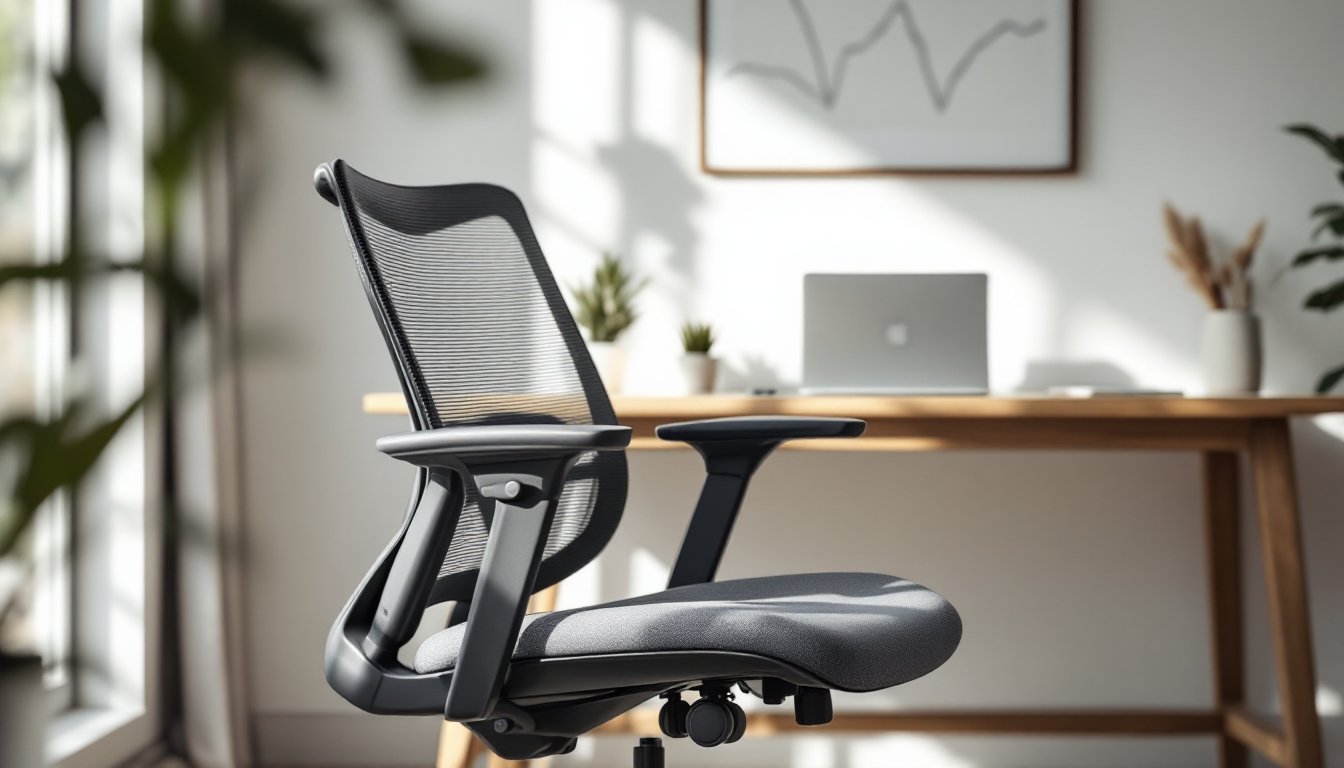
Ergonomic chairs prioritize posture and long-term comfort through adjustable components: lumbar support, armrest height and width, seat depth, tilt tension, and headrests. These chairs typically feature mesh backs for breathability or molded foam with contouring. Brands often build these around task-intensive use, think programmers, writers, or anyone logging eight-hour days without breaks.
Key features to expect:
- Adjustable lumbar support (not just a fixed pad, but a dial or lever to position it)
- Seat depth adjustment to accommodate different leg lengths
- Tilt lock and tension control so the chair reclines without tipping backward unexpectedly
- Breathable mesh or moisture-wicking fabric to prevent sweating during long sessions
Ergonomic gray chairs work best in dedicated home offices where the user spends consecutive hours seated. They’re overkill for a spare bedroom desk used occasionally, but they’re worth every dollar for full-time remote workers. Expect to spend $250–$700 for a solid ergonomic model: higher-end versions from Herman Miller or Steelcase can exceed $1,000.
Executive and Mid-Back Gray Chairs
Executive chairs lean toward aesthetics and presence. They often feature high backs, padded armrests, and materials like bonded leather or leatherette in gray tones. These chairs make a statement in a home office visible during video calls or client meetings. Mid-back versions offer similar styling but with less vertical coverage, which can feel less imposing in smaller rooms.
These chairs sacrifice some ergonomic adjustability for visual weight and comfort through cushioning rather than contouring. They’re a good fit for users who take frequent breaks, alternate between sitting and standing, or want a chair that doubles as a reading spot.
Mid-back and executive gray chairs typically range from $150–$500. Build quality varies widely in this category, so checking weight capacity, caster durability, and upholstery stitching before buying is critical. Many reviewers on platforms like Good Housekeeping test chairs for long-term durability, which can help separate the solid builds from the marketing hype.
Key Features to Look for When Buying a Gray Office Chair
A gray finish won’t save a poorly designed chair. Here’s what actually matters.
Weight capacity: Most office chairs are rated for 250–300 lbs, but some budget models dip lower. Check the manufacturer’s spec sheet, not the product description. Exceeding capacity shortens lifespan and can cause catastrophic failure of the gas cylinder or base.
Casters and base material: Cheap plastic five-star bases crack under repeated use. Look for nylon or reinforced composite bases, and match caster type to flooring. Hard casters work on carpet: soft rubber or polyurethane casters protect hardwood and tile without scratching. Swapping casters is easy, most use a universal friction-fit stem, so upgrading later is an option.
Adjustment mechanisms: Pneumatic height adjustment is standard, but quality varies. A Class 4 gas lift (rated for heavy use) lasts longer than a Class 2 or unrated cylinder. Tilt and tension controls should engage smoothly without excessive force. If a display model feels sticky or uneven, walk away.
Armrests: Fixed armrests are fine for casual use, but 4D-adjustable armrests (height, width, depth, angle) prevent shoulder strain and let users dial in positioning for keyboard work. If armrests hit the desk edge or force elbows into awkward angles, they’re worse than useless.
Upholstery breathability: Mesh backs beat solid fabric in warm climates or poorly ventilated rooms. Faux leather looks sharp but can peel after a year or two, especially in dry conditions. If choosing faux leather, look for PU leather over bonded leather, which is essentially shredded leather glued to a backing and notorious for flaking.
Warranty and return policy: A one-year warranty is baseline: three to five years signals confidence in build quality. Some manufacturers cover the frame and mechanism separately from upholstery, so read the fine print. Retailers with 30-day return windows (and free return shipping) remove risk from online purchases, which is crucial when buying a chair sight unseen.
DIY modification is common in the office chair world. Creative users on sites like IKEA Hackers swap cushions, add lumbar rolls, or paint bases to extend a chair’s life or personalize aesthetics. Basic upgrades, new casters, an aftermarket lumbar cushion, cost $20–$50 and can transform a decent chair into a great one.
How to Match Your Gray Office Chair with Your Home Office Décor
Gray’s flexibility doesn’t mean it’s foolproof. Matching tone and texture to the rest of the space keeps things cohesive.
Warm vs. cool grays: Gray office chairs come in warm (gray with beige or taupe undertones) and cool (gray with blue or charcoal undertones). Cool grays pair cleanly with white walls, black accents, and steel or chrome fixtures. Warm grays work better with wood tones, brass hardware, and earth-toned textiles. Holding a paint swatch or fabric sample next to the chair in natural light reveals which direction it leans.
Material contrast: A gray mesh chair feels technical and modern, ideal for minimalist setups or tech-forward spaces. A gray upholstered chair with tufting or nailhead trim skews traditional and pairs well with wood desks, built-in shelving, or paneled walls. Mixing materials (a gray fabric chair with a glass desk, for example) can work if other elements tie them together, matching gray in curtains, a rug, or wall art.
Scale and proportion: Oversized executive chairs can overwhelm small rooms or lightweight desks. Mid-back or armless gray chairs take up less visual space and leave room for side tables, file cabinets, or plants. In larger rooms, a high-back gray chair anchors a desk area and creates a defined workspace boundary.
For décor-focused readers, publications like Elle Decor often showcase office setups where gray chairs act as grounding elements in bolder, more colorful rooms. The trick is letting the chair be neutral, not boring, texture, stitching details, or a subtle pattern can add interest without clashing.
Lighting considerations: Gray can read differently under warm incandescent bulbs versus cool LED strips. Test the chair in the actual workspace lighting before committing, or at least review photos in various lighting conditions. A chair that looks sleek in a showroom might appear dingy under a warm desk lamp.
Maintaining and Caring for Your Gray Office Chair
Routine maintenance extends a chair’s lifespan and keeps it looking presentable. Most failures come from neglect, not defects.
Weekly cleaning:
- Mesh: Vacuum with a brush attachment to remove dust and debris. Spot-clean spills immediately with a damp microfiber cloth and mild dish soap. Let air-dry completely.
- Fabric: Vacuum regularly. For stains, blot (don’t rub) with a solution of one part white vinegar to two parts water. Test in an inconspicuous spot first.
- Faux leather: Wipe down with a damp cloth. Avoid harsh cleaners or alcohol-based products, which accelerate cracking. Condition every few months with a product designed for synthetic leather.
Quarterly maintenance:
- Tighten bolts and screws on the armrests, seat plate, and backrest. Vibration from sitting loosens hardware over time. A basic Allen wrench set handles most office chair fasteners.
- Inspect casters for hair, string, or debris wrapped around the axles. Pull casters out (they pop free with a firm tug), clean thoroughly, and reinsert.
- Lubricate moving parts with silicone spray, tilt mechanisms, height adjustment levers, and armrest joints. Avoid WD-40, which attracts dust.
Addressing common issues:
- Sinking seat: The gas cylinder has failed. Replacement cylinders cost $20–$40 and install with basic tools. YouTube has step-by-step guides for most chair models.
- Squeaking: Usually caused by dry pivot points or loose screws. Tighten everything first, then apply lubricant.
- Flat or worn cushions: Some chairs have removable seat cushions. Aftermarket foam inserts (available in various densities) can restore firmness for $15–$30.
Safety note: When working on a chair’s gas cylinder or base, wear safety glasses. Pressurized cylinders can fail violently if mishandled, though it’s rare with proper tools and technique.
Gray upholstery shows less day-to-day wear than lighter colors, but it’s not invincible. Protecting the chair from direct sunlight (which fades fabric) and keeping drinks at a safe distance prevents most damage. A $10 can of fabric protector spray applied after purchase adds a layer of stain resistance that’s worth the fifteen minutes it takes.