In today’s world, where the lines between work and home blur faster than a Zoom call mishap, creating the perfect home workstation has become essential. Picture this: a space that not only boosts productivity but also makes you feel like a boss—without the need for a tie or pants, of course.
What Is a Home Workstation?
A home workstation refers to a designated area within a residence that supports work-related activities. This space encompasses essential equipment, such as a desk, chair, and computing devices, tailored to meet individual needs. Various designs exist, but an efficient workstation prioritizes organization and ergonomics.
For optimal productivity, the workstation should ensure minimal distractions. Natural lighting and proper ventilation contribute to a pleasant working environment. Specific setups can include dedicated shelving, which houses office supplies and personal files, enhancing accessibility.
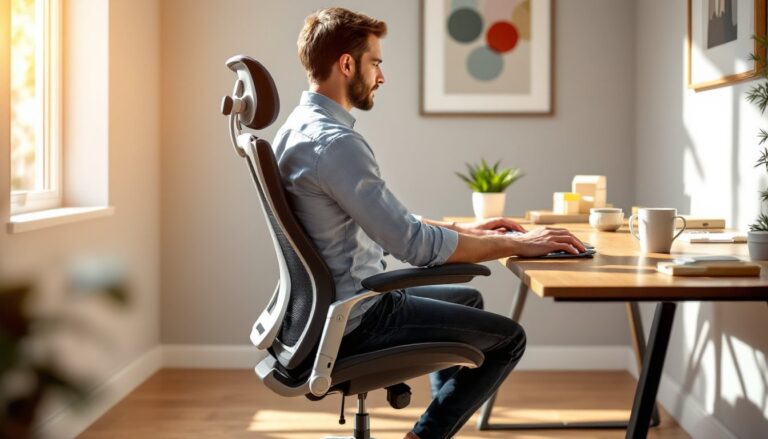
Creating a comfortable chair can significantly impact long hours of work. Ergonomic options exist to provide necessary support, reducing fatigue. Height-adjustable desks allow users to switch from sitting to standing, promoting movement throughout the day.
Acoustic treatments can improve sound quality in this workspace, especially important for video calls. Adding plants or personal decor enhances mood, making the environment more inviting. Utilizing tech tools, such as noise-canceling headphones, can help maintain focus in busy households.
Ultimately, a well-designed home workstation aligns with personal taste and functionality. It becomes an essential component of a successful remote working experience. Regular adjustments to layout and organization maintain effectiveness as work habits evolve.
Benefits of a Home Workstation

A home workstation offers numerous advantages, enhancing the effectiveness of work-from-home setups. It creates an environment that fosters both productivity and comfort.
Increased Productivity
Enhanced focus emerges within a dedicated workspace. Fewer distractions improve concentration, allowing tasks to be completed efficiently. Routine plays a crucial role; maintaining consistent work hours boosts accountability and efficiency. Proper organization directly correlates with improved task management. Using tools like planners helps prioritize work, allowing individuals to track goals more effectively. An ideal home workstation provides access to necessary resources at all times, further supporting workflow.
Improved Comfort
Comfort significantly impacts overall work experience. Ergonomic seating adjusts to individual body types, reducing strain during long hours. Height-adjustable desks facilitate movement, allowing users to alternate positions easily. Good lighting choices reduce eye strain and enhance visibility. Personalization of the workspace creates a sense of ownership, contributing to a positive atmosphere. Integration of familiar items can increase motivation and comfort, supporting employee mental well-being. The result is a balanced environment that promotes both physical and mental health, encouraging prolonged focus and productivity.
Essential Components of a Home Workstation
Creating an effective home workstation revolves around selecting essential components that enhance productivity and comfort. Focus on ergonomic furniture and technology that meets specific needs.
Ergonomic Furniture
Comfortable, supportive furniture plays a critical role in any home workstation. An ergonomic chair provides lumbar support, promoting good posture and reducing fatigue during long working hours. Height-adjustable desks allow users to alternate between sitting and standing, which benefits overall health. Opt for desks that are spacious enough to accommodate computers and additional equipment. Incorporating footrests can also contribute to comfort by providing relief to the legs. Quality materials like breathable fabric enhance the overall experience, making the workspace inviting. Choose furniture that fits personal preferences while ensuring functionality.
Technology and Equipment
Technology must cater to the tasks at hand to ensure efficiency in a home workstation. A reliable computer forms the foundation of any setup, whether it is a laptop or desktop. Dual monitors can significantly boost productivity by facilitating multitasking. High-speed internet access is essential to support seamless communication and task execution. Additionally, investing in quality peripherals like a keyboard and mouse can improve comfort and reduce strain. Incorporating noise-canceling headsets can enhance focus, especially in noisy environments. A dedicated surge protector also safeguards devices from electrical surges. Prioritizing these elements leads to a more effective working experience.
Tips for Setting Up an Effective Home Workstation
Creating an effective home workstation involves strategic organization and a personal touch. Thoughtful design choices enhance both comfort and productivity.
Space Optimization
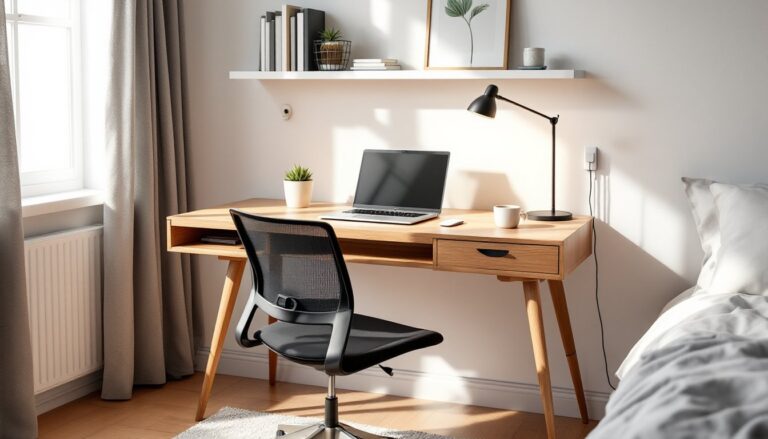
Maximize space efficiency by identifying and utilizing corners and wall areas. Consider a compact desk to free up floor space. A vertical storage system creates additional room for books and office supplies. Utilize cable management solutions to keep wires out of sight, promoting a tidy look. Implement zoning to separate work equipment from personal items. Regularly declutter the workspace, ensuring only essential tools remain visible. This strategy not only maintains focus but also fosters a professional atmosphere within the home.
Personalization and Aesthetics
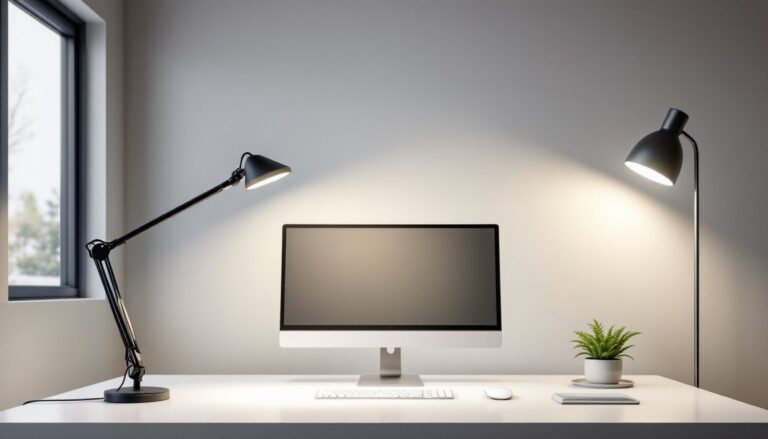
Infuse personality into the workplace by adding decorative items, such as art or plants. Personal touches, like family photos or inspiring quotes, create a welcoming environment. Choose color schemes that resonate with individual preferences, influencing mood and productivity levels. Incorporate good lighting options, such as desk lamps with adjustable brightness. Comfortable accessories, like a soft throw blanket, add coziness during long hours. Consistent aesthetics not only boost motivation but also make the space feel uniquely theirs.
Creating an effective home workstation is crucial for anyone navigating the remote work landscape. A thoughtfully designed space not only boosts productivity but also enhances overall well-being. By focusing on comfort and organization individuals can minimize distractions and foster a more engaging work environment.
Investing in ergonomic furniture and the right technology pays off in the long run. Personalizing the workspace with decor and efficient storage solutions makes it inviting and motivating. Regular adjustments to the layout can accommodate changing work habits and preferences.
Ultimately a well-established home workstation is more than just a place to work; it’s an essential component of a successful work-from-home experience. Prioritizing these elements leads to greater focus and satisfaction in daily tasks.