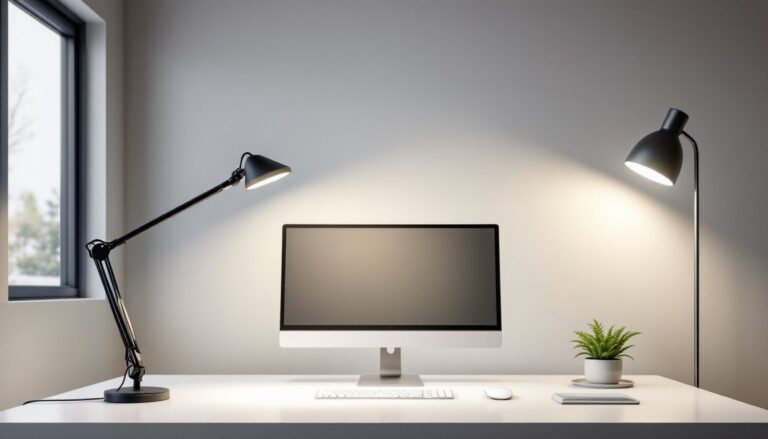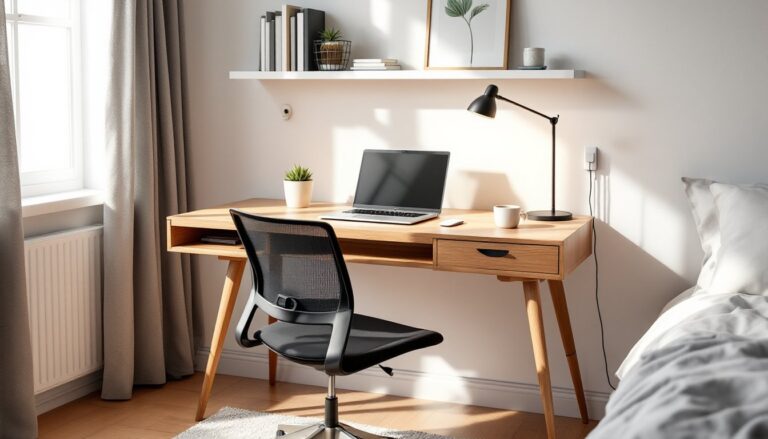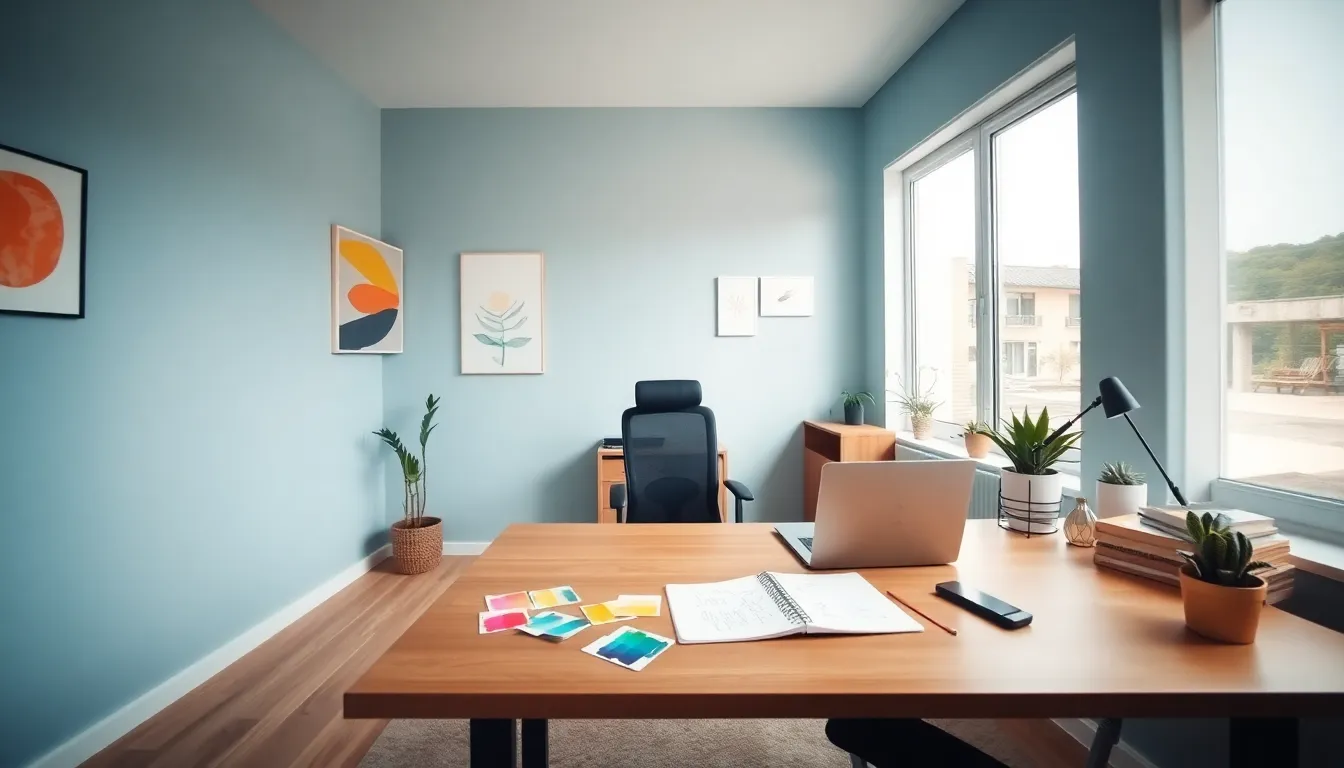
When it comes to creating the perfect home office, paint colors can make all the difference. Have you ever considered how the shade on your walls affects your productivity? It turns out, the right color might just be the motivation you need to power through that mountain of emails. Plus, choosing a sophisticated hue will impress your colleagues on those Zoom calls. So, bring your palette and let’s jump into how paint colors can elevate your workspace from drab to fab.
Understanding The Importance Of Color Psychology
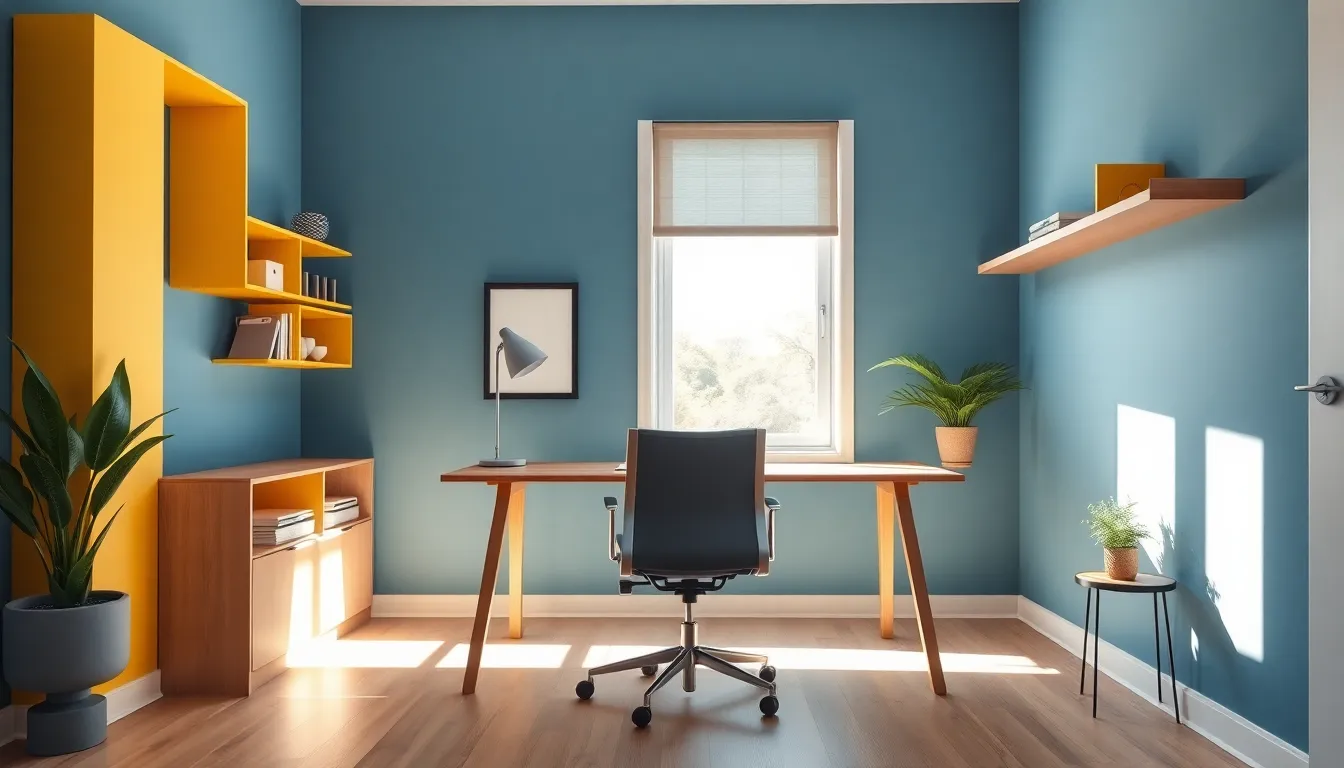
Color isn’t just about aesthetics: it’s a powerful tool that impacts mood and productivity. Psychologists have studied how different shades affect our emotions and behaviors. For instance, blue can evoke feelings of calm and focus, making it ideal for a workspace. On the flip side, yellows can stimulate creativity but can also lead to restlessness if overdone.
The goal here is to choose a color that resonates with the work you do. If your tasks require sharp focus, you might lean towards cool tones. Alternatively, if creativity is your jam, warmer hues can inspire innovation. It’s fascinating how the color surrounding you can guide your thoughts.
Incorporating color psychology into your home office setup is essential. Colors can motivate, soothe, or even stress you out. Before slapping on that paint, heeding the psychological effects of your color choices is wise.
Choosing The Right Shades For Your Workspace
Selecting the right shades isn’t as straightforward as picking the first pot of paint that catches your eye. What works for one may not work for another due to individual differences in taste and work style. So, how does one navigate this colorful maze?
First, consider your work needs. If you’re brainstorming ideas, vibrant hues like orange may ignite that spark of creativity. But, for tasks requiring sustained concentration, soft neutrals like greys or creams often work best.
Light can also influence your choice. Natural light brightens colors, making them appear more vibrant, while artificial light can change the perception of shades. Testing samples on your walls is crucial. Paint swatches shouldn’t just live on tiny cards: they need to breathe on your walls to see how they inspire you throughout the day.
Popular Paint Color Choices For Home Offices
Now, let’s talk trends. In recent years, certain paint colors have become favorites for home offices.
- Soft Blue: Its calming effect helps keep the mind clear and focused. It’s a classic choice for those looking to maintain a peaceful environment.
- Bright White: Perfect for a clean, modern feel, white reflects light and can make a small space appear larger.
- Warm Green: Bringing in a sense of nature, green hues can foster a sense of balance and rejuvenation. Perfect for those long hours at the desk.
- Cheerful Yellow: This color brings energy and positivity. But, use it sparingly as an accent, too much can be overwhelming.
- Cool Grey: A sophisticated neutral that pairs beautifully with many accent colors: it adds a contemporary vibe.
These colors can enhance workflow and make the office a place where ideas flourish.
How To Combine Colors Effectively
Combining colors can be a tricky try, but with a little inspiration, it can result in a beautifully designed office. Start by selecting a dominant color that fits your mood and needs. Once that’s in place, consider complementary or analogous colors.
Complementary colors are opposite each other on the color wheel. For example, pairing blue with orange can create a dynamic atmosphere. Meanwhile, analogous colors sit next to each other, like blue, green, and purple, yielding a more subtle look.
Balance is crucial. Too many colors can lead to chaos, while too few can feel flat. Identify a base color for the majority of your walls, accent it with a secondary color, and then use accessories to bring in pops of other shades. This method adds depth without overwhelming the senses.
Factors To Consider When Painting Your Home Office
Before you grab that roller, there are a few factors to mull over.
- Room Size: Lighter colors often make a smaller room feel more spacious. Darker hues can shrink a space visually but can also add a cozy feel if that’s desired.
- Lighting: Assess both natural and artificial lighting. The time of day can affect how colors are perceived, and testing them during different hours is advisable.
- Existing Décor: Your paint should harmonize with your furniture, flooring, and other decor elements. Coordinating your color scheme creates a cohesive look and feel.
- Personal Preferences: At the end of the day, it’s your office. Don’t shy away from expressing your personality through color choices.
Tips For Maintaining Your New Work Environment
Congratulations, you’ve transformed your home office. Now, how do you keep it looking fresh?
- Regular Touch-Ups: Over time, walls can wear. Keeping a little pot of your paint handy will help maintain that pristine look.
- Decorative Elements: Use rugs, curtains, or artwork to complement your wall color while adding texture. These elements can also adapt to changing trends without a complete overhaul.
- Cleaning: Dust and smudges can accumulate. A simple cleaning regime ensures your colors shine as intended.
- Change It Up: Don’t be afraid to refresh your paint every few years. Trends shift, and your work style may evolve: a new color can invigorate your space.