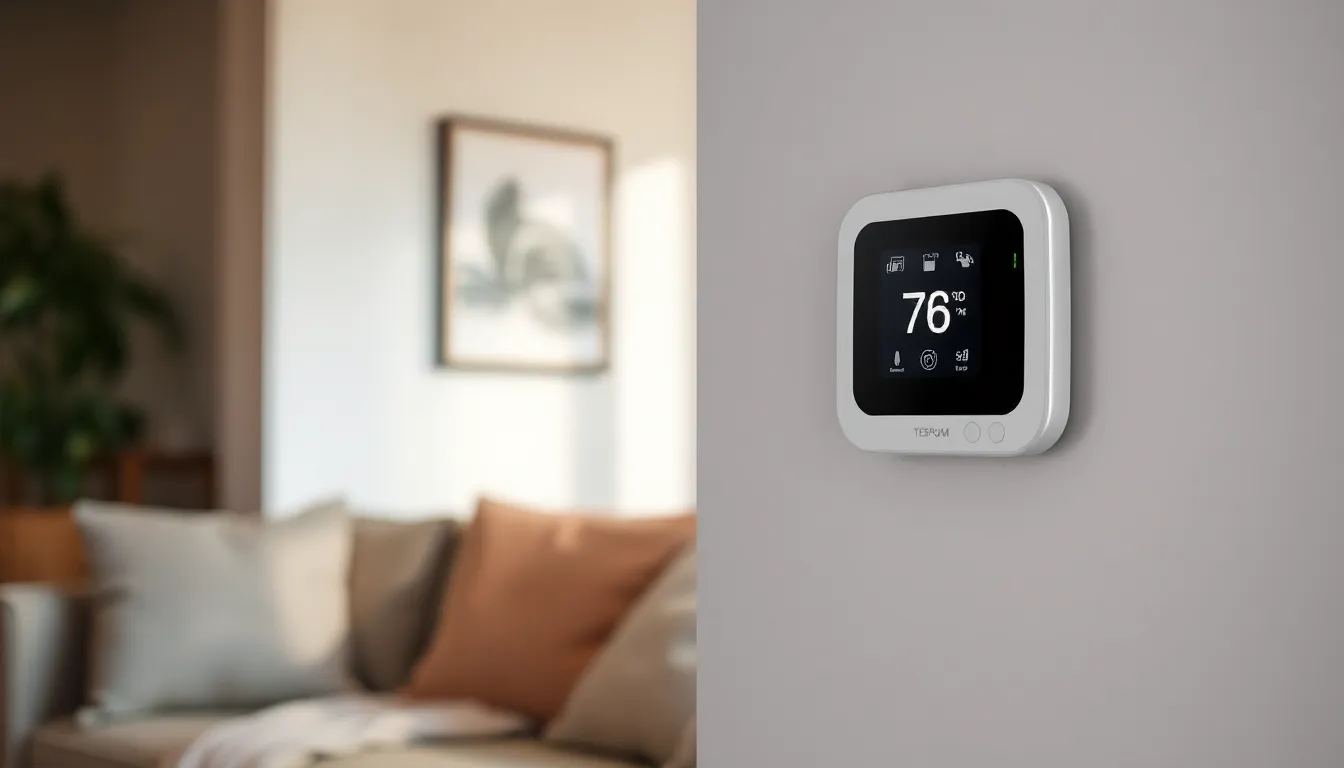
Imagine a world where your home’s temperature adjusts itself while you binge-watch your favorite series on the couch. Enter the programmable thermostat, the unsung hero of home comfort. This nifty gadget lets you take control of your heating and cooling systems, ensuring your home feels just right without lifting a finger—or sweating through the summer heat.
Why settle for a thermostat that only knows “hot” or “cold”? With a programmable thermostat, you can schedule temperature changes based on your routine, saving energy and money. It’s like having a personal assistant for your HVAC system, minus the awkward small talk. Embrace the future of home automation and enjoy a cozy haven, all while keeping your energy bills in check. Who knew comfort could be this smart and sassy?
Overview of Programmable Thermostats
Programmable thermostats play a crucial role in modern home comfort. These devices adjust heating and cooling systems automatically based on user schedules, ensuring energy efficiency and cost savings.
What Is a Programmable Thermostat?
A programmable thermostat controls a home’s HVAC system by setting specific heating and cooling times. These devices allow users to program different temperatures for various times of the day or week. Efficiency improves as they reduce unnecessary energy usage when no one is home. Users benefit from enhanced comfort through customized settings that meet personal preferences. Additionally, many models feature smart technology, enabling remote access via mobile devices.
Types of Programmable Thermostats
Programmable thermostats come in several types to suit different needs. Firstly, 7-day models allow full customization for each day of the week. Users appreciate flexibility in scheduling their climate preferences. Secondly, 5-2 models blend weekday and weekend programming, simplifying user planning. Thirdly, smart thermostats integrate advanced features like learning algorithms that adapt to user habits. Finally, some devices offer touchscreen interfaces for easy operation. Each type presents unique advantages that cater to various lifestyles and preferences.
Benefits of Using Programmable Thermostats
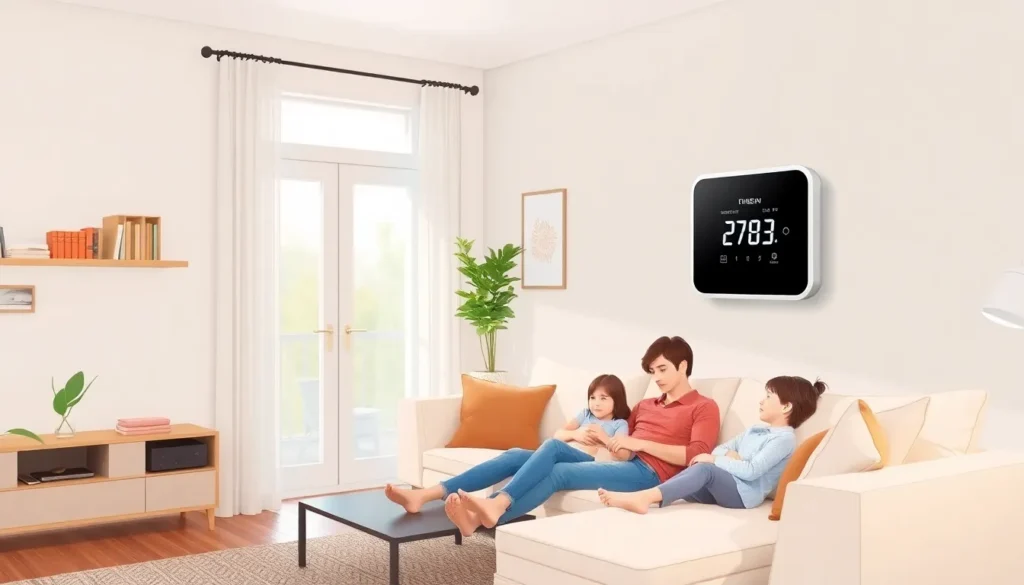
Programmable thermostats offer numerous advantages, making them essential for modern homes. These devices not only enhance comfort but also promote significant energy savings.
Energy Efficiency
Energy efficiency represents a primary benefit of programmable thermostats. These devices optimize heating and cooling systems by adjusting temperatures according to set schedules. By automatically reducing energy usage during off-peak hours, programmable thermostats help minimize waste. Statistics indicate that homeowners can save up to 10% annually on energy bills by using programmable thermostats. This efficiency contributes to a reduced carbon footprint, aligning household comforts with environmental responsibilities. Users enjoy comfortable indoor temperatures without unnecessary energy consumption, making programmable thermostats a wise choice.
Cost Savings
Cost savings emerge as another key advantage of programmable thermostats. Homeowners experience lower energy bills due to controlled heating and cooling activities. These devices allow users to set specific temperature ranges for various times of the day or week. As a result, homes remain comfortable while minimizing energy costs. Research suggests that programming a thermostat can yield savings of around $180 each year. This reduction in expenses highlights how investing in a programmable thermostat not only enhances comfort but also provides long-term financial benefits.
How to Choose the Right Programmable Thermostat
Selecting the right programmable thermostat enhances comfort and maximizes energy efficiency. Key factors influence the best choice.
Features to Consider
Consider the user interface first. A simple display and intuitive controls promote ease of use. Programmable options vary; look for models allowing daily or weekly schedules. Smart features improve convenience, enabling adjustments via smartphones or voice commands. Energy-saving modes and alerts for temperature changes provide added benefits. Additional features like geofencing and learning capabilities adapt settings automatically based on occupancy. Evaluate the installation process too; some thermostats suit DIY, while others may require professional assistance.
Compatibility with HVAC Systems
First, verify compatibility with existing HVAC systems. Standard systems, heat pumps, and multi-stage setups each require specific thermostats. Not all thermostats suit every system. Dual fuel systems and advanced configurations necessitate high-tech solutions. Research manufacturer specifications thoroughly. Match the voltage requirements as well; typical options include 24V and line-voltage thermostats. Some models come with built-in adapters for specific connections. Ensuring compatibility minimizes installation issues and optimizes functionality.
Installation and Setup
Installing a programmable thermostat requires careful consideration of the approach and programming options. The setup process varies based on user skill level and available tools.
DIY Installation vs Professional Help
Choosing between DIY installation and professional help depends on familiarity with home electrical systems. Many homeowners can successfully install a programmable thermostat with basic tools and instructions, as most units come with clear guidelines. Those who enjoy hands-on projects often find the experience rewarding. However, certain electrical skills and knowledge about HVAC systems are necessary for a safe installation. Hiring a professional ensures compliance with local codes and minimizes potential hazards. This route often leads to a more efficient installation process, especially for complex systems.
Programming Your Thermostat
Programming a thermostat typically involves setting specific heating and cooling schedules that align with daily routines. Users should start by determining their weekly schedules to maximize energy savings. For instance, selecting different temperatures for weekdays and weekends can enhance comfort and efficiency. Many programmable thermostats feature intuitive interfaces, making this process straightforward. Inputting a desired temperature for various times throughout the day simplifies adjustments. Advanced options offer learning algorithms that automatically adapt to preferences over time. This feature significantly reduces the need for constant manual adjustments, making energy management effortless.
Embracing a programmable thermostat can transform how homeowners manage their indoor climates. These devices not only enhance comfort but also contribute significantly to energy savings. By tailoring heating and cooling schedules to fit individual lifestyles, users can enjoy a more efficient home environment while reducing energy costs.
Investing in the right programmable thermostat ensures that homeowners reap the full benefits of this technology. With options ranging from simple models to advanced smart thermostats, there’s a perfect fit for every household. Whether opting for DIY installation or professional assistance, the transition to a programmable thermostat is a step toward a more sustainable and cost-effective living space.