Ever looked at your windows and thought, “What if they could do more than just let the sun in?” Enter smart windows, your new best friend in home innovation. These high-tech glass panels are not only stylish, but they also offer a range of benefits that can make life easier, comfortable, and a whole lot cooler. Imagine adjusting your window tint with a smartphone app while lounging on the couch, now that’s living in the future. Let’s jump into the world of smart windows and explore everything you need to know about these futuristic installations.
What Are Smart Windows?
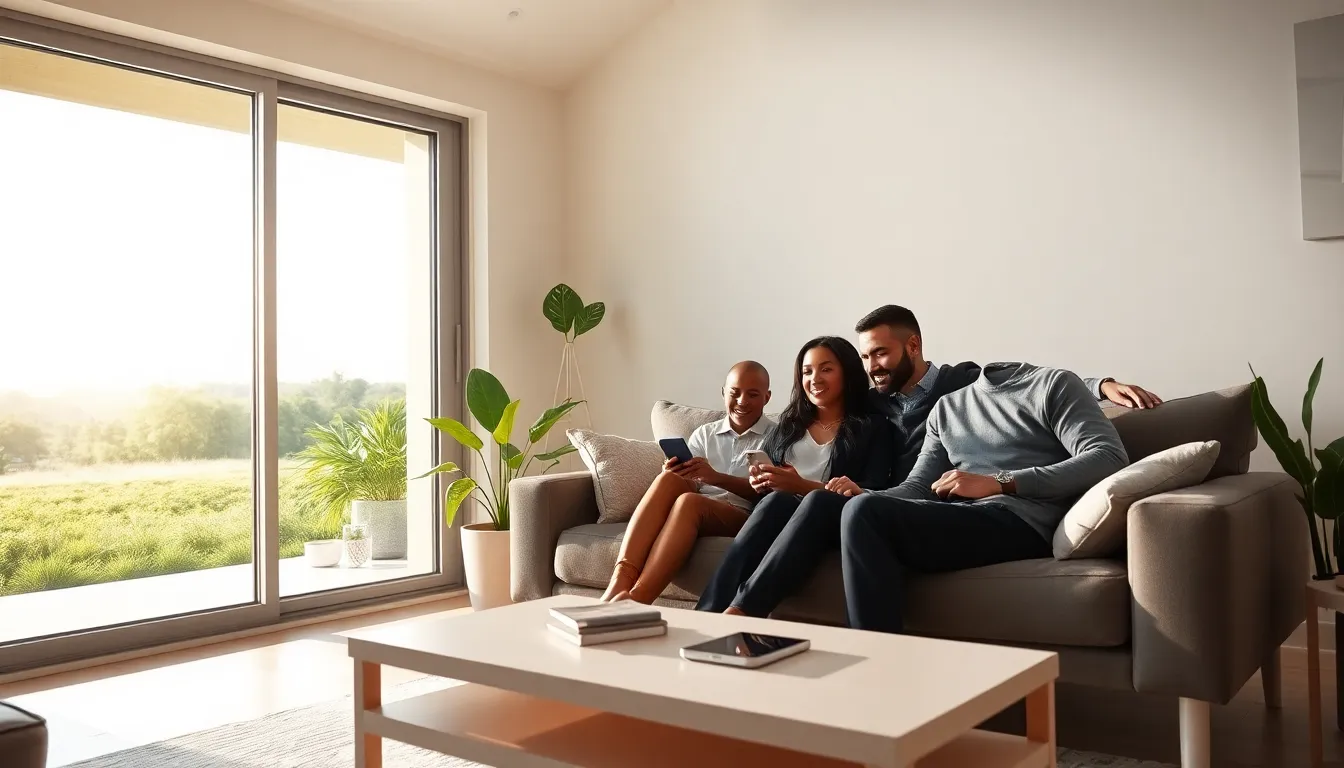
Smart windows, also known as electronic or dynamic glass, are a groundbreaking advancement in window technology. Unlike traditional windows, which only serve as passive barriers, smart windows can change their properties in response to environmental conditions or user commands. These versatile surfaces can adjust transparency, control heat gain, and influence lighting, all automatically or via smart devices.
They come equipped with various technologies such as electrochromic, thermochromic, and photovoltaic layers, allowing them to react dynamically to sunlight. This innovation not only enhances aesthetic appeal but also improves energy efficiency and environmental control within a home.
Benefits of Smart Windows
So, why should a homeowner consider investing in smart windows? Here are the top benefits:
- Energy Efficiency: Smart windows reduce heating and cooling costs by regulating how much sunlight and heat enter a home. This means less reliance on HVAC systems and significant savings on energy bills.
- Comfort Control: With the ability to control glare and optimize natural light, these windows enhance indoor comfort. Imagine sitting in a well-lit room without the annoying glare that ruins your binge-watching sessions.
- Improved Aesthetics: Smart windows can transform the appearance of any home. They come in sleek designs, harmonizing beautifully with modern home architecture.
- UV Protection: Certain smart windows filter out harmful ultraviolet rays, protecting your skin and your furnishings from sun damage.
- Convenience: Adjustments can be made with a simple voice command or tap of a smartphone, adding a touch of luxury to daily living.
Types of Smart Windows
Not all smart windows are created equal: they come in various forms and technologies:
- Electrochromic Windows: These glasses change tint in response to an electric charge, allowing homeowners to control light and heat. They offer seamless transitioning between transparent and tinted states.
- Thermochromic Windows: Responding to temperature changes, these windows tint dynamically with the sun’s heat. On warm, sunny days, these windows darken to keep the interior cool.
- Photochromic Windows: React to UV light, offering automatic tinting when sunlight is detected. When the sun sets, they revert to clear.
- Smart Glass Coatings: These can be added to existing windows, making them adaptable without complete replacement. They can also integrate with solar energy-generating technologies.
How Smart Windows Work
The mechanics behind smart windows is fascinating. Generally, it all hinges on layers of materials that respond to electrical currents, temperatures, or levels of sunlight.
- Electrochromic technology uses a transparent conductive coating which allows the glass to react to electrical input. Users can switch between transparent and opaque states, creating an efficient barrier against unwanted heat and light.
- Thermochromic glass changes color based on temperature. When heat increases, the glass darkens, minimizing heat transfer into the home.
- Photochromic windows work similarly: they darken in response to UV light, automatically adjusting throughout the day.
These smart technologies can often be linked to home automation systems, integrating with smart home devices for seamless control.
Installation and Maintenance Considerations
Integrating smart windows into a home isn’t as simple as swapping out panes. Here are some factors to consider:
- Professional Installation: It’s advised to have smart windows installed by professionals to ensure proper sealing and functionality. Inaccurate installations can negate energy savings.
- Cost: Though prices have been decreasing, smart windows are still an investment. Balancing cost against long-term energy savings is vital.
- Maintenance: Most smart windows require minimal maintenance. But, keeping the technology clean and free of obstructions ensures optimal efficiency. Regular checks on the electronic systems may also be needed to ensure their functionality.
Future Trends in Smart Window Technology
The smart window industry is evolving rapidly, with several exciting trends on the horizon:
- Enhanced Integration: Future advancements promise smarter integrations with home automation systems, allowing for even greater customization based on personal preferences.
- Improved Affordability: As technology advances, production costs are likely to decrease, making smart windows accessible to a wider audience.
- Sustainability: Manufacturers are focusing on eco-friendly materials and processes, enhancing their green credentials as the demand for sustainable home solutions rises.
- Innovative Designs: New aesthetic designs will continue to emerge, allowing homeowners to experiment with looks while remaining energy efficient.