Adding a guest chair to a home office isn’t just about having somewhere for visitors to sit, it’s about creating a functional, professional workspace that accommodates collaboration, video calls, and occasional remote coworkers. Whether someone’s running client meetings from their spare bedroom or simply needs a spot for their spouse to sit during tax season, the right guest chair balances comfort, style, and space efficiency. Unlike the primary desk chair, which prioritizes all-day ergonomic support, a guest chair needs to look good, feel comfortable for shorter durations, and fit seamlessly into the room’s footprint without overwhelming the layout.
Table of Contents
ToggleKey Takeaways
- A guest chair for office spaces enhances professionalism during video calls and accommodates collaboration, making it essential infrastructure for remote workers who host virtual meetings.
- Look for guest chairs with 2-3 inches of foam padding, a seat depth of 16-18 inches, and a seat height of 17-19 inches to ensure comfort without requiring the full ergonomic features of a primary task chair.
- Guest chair styles range from stackable chairs ($40-$120) ideal for flexible multi-use rooms to accent chairs ($150-$400) that add personality to larger offices.
- Position guest seating against walls or at 30-45 degree angles to the desk in smaller offices, and maintain at least 30 inches of clearance between furniture pieces for comfortable movement and video call framing.
- Regular maintenance—vacuuming fabric upholstery, wiping down leather monthly, and checking joints and hardware quarterly—extends your guest chair’s lifespan and keeps it looking professional in your home office.
Why Every Home Office Needs a Quality Guest Chair
A dedicated guest chair serves multiple purposes beyond the obvious. For remote workers who host virtual meetings, having a second seating option allows a partner or colleague to join the call without hovering awkwardly in the frame. It also provides a landing spot for project materials, reference books, or that pile of paperwork that doesn’t belong on the desk but isn’t quite ready for filing.
From a psychological standpoint, a guest chair helps establish boundaries in a home office. It visually defines the workspace as a professional zone, which can be especially important in multi-use rooms. When the office doubles as a craft room, gym, or guest bedroom, the chair signals that this area is designed for focused work and collaboration.
Professional credibility matters, even over video. A well-chosen guest chair visible in the background of Zoom calls subtly communicates that someone takes their workspace seriously. It’s the difference between a hastily assembled remote setup and a thoughtfully designed office. For freelancers, consultants, or anyone who occasionally meets clients at home, that second chair becomes essential infrastructure, not an afterthought.
Key Features to Look for in an Office Guest Chair
Comfort and Ergonomics
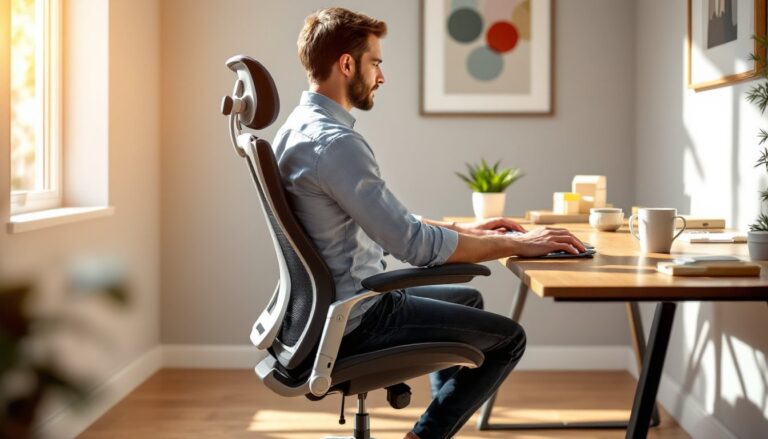
Guest chairs don’t need the same lumbar support and adjustment mechanisms as a primary task chair, but they shouldn’t be torture devices either. Look for seats with at least 2-3 inches of foam padding and a seat depth of 16-18 inches, deep enough to support the thighs without causing the front edge to dig in.
Armrests are optional and depend on the room’s layout. Armless chairs tuck neatly under desks or tables, saving floor space in tight quarters. Chairs with arms provide better support for longer conversations but need adequate clearance, typically 24-26 inches wide including armrests. Test the seat height if possible: 17-19 inches from the floor works for most adults and pairs well with standard desk heights.
Consider the chair’s back angle. A slight recline (around 100-110 degrees) feels more relaxed than a rigid 90-degree angle, which can feel stiff during extended discussions. Mesh backs offer breathability, while upholstered backs provide a softer, more traditional look. For home offices in basements or naturally cool rooms, upholstery might be more comfortable year-round.
Style and Aesthetic Appeal
The guest chair should complement the office’s existing design without competing with the primary workspace. In modern or minimalist offices, look for clean lines, metal frames, and neutral upholstery in grays, blacks, or taupes. Mid-century modern styles with wood legs and simple silhouettes bridge the gap between professional and residential aesthetics, making them popular for home office layouts that blend work and living spaces.
Traditional offices benefit from leather or faux-leather upholstery in burgundy, brown, or navy, often paired with wooden frames or nailhead trim. Industrial-style spaces can handle metal stackable chairs or wire-frame designs that double as statement pieces.
Color choice matters more than many DIYers realize. Dark upholstery hides wear and stains better but can make small offices feel cramped. Light colors brighten the space but show dirt faster, not ideal in homes with pets or kids who occasionally wander into the office. Patterned fabrics in subtle geometrics or textures add visual interest without overwhelming the room.
Top Guest Chair Styles for Different Office Setups
Stackable chairs are the workhorse of flexible home offices. Models with molded plastic or metal frames stack 4-6 high, making them ideal for multi-use rooms where furniture needs to disappear when not in use. They’re lightweight enough to move easily but stable enough for daily use. Expect to pay $40-$120 per chair depending on materials and brand.
Accent chairs bring personality to the office while maintaining function. Upholstered club chairs, wingbacks, or slipper chairs work well in larger offices (100+ square feet) where space isn’t at a premium. These styles often feature wooden or metal legs and come in endless fabric options. They’re comfortable enough for hour-long strategy sessions but don’t invite guests to overstay their welcome. Price range: $150-$400.
Side chairs without arms are the most space-efficient option. These slide easily under desks or tuck into corners when not needed. Look for models with contoured seats and backs, flat surfaces get uncomfortable quickly. Wood, metal, or molded plywood construction keeps them lightweight. Cost: $60-$200.
Sled-base chairs with metal runners instead of traditional legs offer a sleek, modern look and excellent stability. The continuous metal frame distributes weight evenly, making them surprisingly comfortable even though their minimal padding. They’re a smart choice for offices with area rugs since they don’t have individual leg caps that can snag fibers. Expect $80-$250 per chair.
For DIYers with woodworking skills, building a simple guest chair from scratch is feasible with the right plans. Resources like classic chair designs provide step-by-step instructions for constructing comfortable seating using standard lumber and basic joinery. A homemade chair can be customized to exact dimensions and finished to match existing office furniture, though the project requires intermediate skills and access to a table saw, drill press, and sander.
How to Arrange Guest Seating in Your Home Office
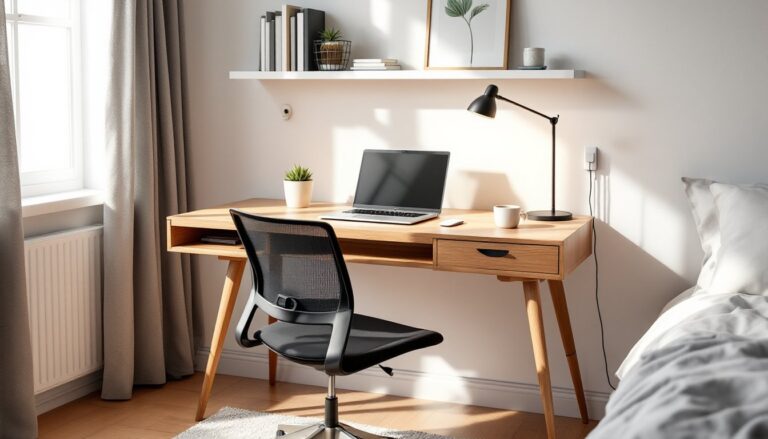
Placement depends on room size and primary function. In offices under 80 square feet, position the guest chair against a wall or in a corner to maximize usable floor space. Angling the chair at 30-45 degrees to the desk creates a conversational zone without blocking pathways. Leave at least 30 inches of clearance between furniture pieces for comfortable movement.
Larger offices allow for more deliberate furniture groupings. Pair the guest chair with a small side table (18-20 inches diameter) to create a reading nook or informal meeting area separate from the main desk. This setup works especially well when combined with executive desk arrangements that anchor one side of the room, leaving the opposite area open for secondary functions.
For video call setups, avoid placing the guest chair directly behind the primary workspace where it becomes background clutter. Position it perpendicular to the desk or out of the webcam’s field of view entirely. If the chair must be visible on camera, keep it tidy, no stacks of papers or jackets draped over the back.
In multi-use rooms, consider furniture with dual purposes. A guest chair with a high-quality upholstered seat can serve as extra seating for family game nights when the office isn’t in use. Stackable or folding styles store in closets between office sessions. Wall-mounted drop-leaf desks paired with lightweight chairs transform dining rooms or hallways into temporary workspaces that don’t monopolize the room.
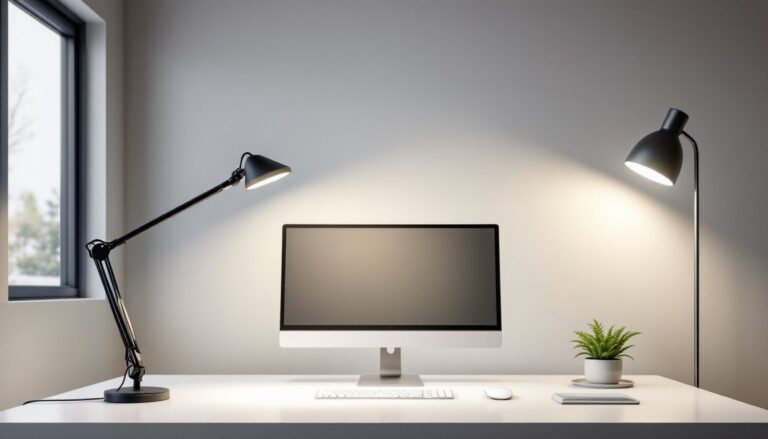
Lighting matters for guest seating areas. Position the chair to take advantage of natural light without creating glare on screens. Add a floor lamp or adjustable task light if the guest chair serves as a reading spot. Many home improvement sites like Fix This Build That offer plans for building custom floor lamps or side tables that coordinate with DIY furniture projects.
Maintaining and Caring for Your Office Guest Chair
Different materials require different maintenance approaches. Fabric upholstery needs regular vacuuming with an upholstery attachment to prevent dust and debris from settling into the weave. Treat stains immediately with a mix of mild dish soap and water, blotting rather than rubbing to avoid spreading the stain or damaging fibers. For stubborn spots, an upholstery cleaner designed for the specific fabric type (cotton, polyester, linen) works better than all-purpose products.
Leather and faux leather should be wiped down monthly with a slightly damp microfiber cloth. Real leather benefits from conditioning every 6-12 months to prevent cracking, while faux leather generally needs only cleaning. Avoid harsh chemicals or excessive water on both materials, too much moisture can cause peeling or discoloration.
Wooden components on chair legs or frames need occasional dusting and should be cleaned with wood-specific cleaners that won’t strip the finish. Check joints and hardware every few months, especially on chairs that get moved frequently. Loose screws or wobbly legs indicate that fasteners need tightening. A dab of wood glue on loose dowel joints can extend the chair’s life by years.
Metal frames resist most wear but can develop rust spots in humid environments. Wipe metal components with a dry cloth after spills and inspect welds or joints for stress cracks if the chair sees heavy use. Touch up scratched powder-coated finishes with matching touch-up paint available at hardware stores.
For DIYers who built their own chairs following plans from sources like The Handyman’s Daughter, regular maintenance includes checking that homemade joints remain tight and refinishing surfaces as needed. A simple wipe-down with mineral oil every six months keeps unfinished wood from drying out and cracking.
Casters or glides on chair bases should roll or slide smoothly. Hair and debris wrapped around caster axles cause them to stick and can damage flooring. Pull the chair and inspect the base quarterly, cleaning out any buildup. Replace worn casters before they scratch hardwood or tear carpets, most are universal and cost $5-$15 for a set of four.