Working from home isn’t going anywhere. Whether you’re logging in from a spare bedroom, a corner of the living room, or a nook under the stairs, the right desk can make all the difference between productive workdays and neck pain by noon. Small office desks aren’t just about fitting into tight spaces, they’re about creating a functional workspace that doesn’t swallow your square footage or your budget. This guide walks through everything needed to choose, set up, and maximize a compact desk that actually works for the way people live and work today.
Table of Contents
ToggleKey Takeaways
- Small office desks (36–48 inches wide) fit home workspaces without room remodels, reduce clutter through limited surface area, and cost less than full-size desks while remaining easy to move or repurpose.
- Desktop depth of 20–24 inches is essential for comfortable monitor, keyboard, and notebook placement; width depends on monitor count (40 inches for single, 48+ inches for dual setups).
- Proper desk height (29–30 inches) paired with an adjustable chair ensures ergonomic comfort; shorter or taller users should prioritize adjustable-height desks to prevent shoulder and wrist issues.
- Built-in drawers with ball-bearing slides provide the best storage solution; when drawers aren’t available, wall-mounted shelves, pegboards, or rolling carts keep materials organized without consuming desk space.
- Vertical storage, monitor arms, cable management, and limiting desktop items to essentials create a spacious, functional workspace even in compact footprints.
- Pairing a small desk with an ergonomic chair, proper lighting, and thoughtful setup accessories makes a compact home office as productive as a traditional full-size workspace.
Why Small Office Desks Are Perfect for Home Workspaces
Real estate inside the home is valuable. Most people don’t have a dedicated 12×14-foot office waiting to be filled. They’ve got 30 square feet in a bedroom corner, a slice of the dining room, or a hallway alcove that’s been begging for purpose.
Small desks, typically ranging from 36 to 48 inches wide, fit these spaces without requiring a room remodel. They force intentional organization (no room for clutter when surface area is limited) and tend to cost less than full-size executive desks, freeing up budget for a better chair or monitor arm.
Beyond space savings, compact desks integrate into living areas without screaming “office.” A narrow writing desk against a wall can double as a console table. A corner unit tucks into dead space that would otherwise hold a houseplant and good intentions. And if the work-from-home situation changes, a small desk is easier to repurpose, move, or sell than a 72-inch behemoth.
They’re also easier to assemble. Smaller parts, fewer fasteners, less swearing at instruction diagrams. For renters or anyone who moves semi-regularly, that mobility matters.
Key Features to Look for in a Small Home Office Desk
Not all small desks are built equally. Some are glorified TV trays: others pack serious functionality into a compact footprint. Here’s what separates the useful from the regrettable.
Desktop dimensions matter more than marketing photos suggest. A desk that’s 36 inches wide and 18 inches deep can hold a laptop and a coffee mug, barely. Look for at least 20 to 24 inches of depth to comfortably fit a monitor, keyboard, and notebook without everything hanging off the edge. Width depends on setup: single-monitor users can work with 40 inches: dual-monitor setups need closer to 48 inches or a monitor arm to reclaim space.
Height is non-negotiable for ergonomics. Standard desk height is 29 to 30 inches, which works for most people between 5’4″ and 6’0″ when paired with an adjustable chair. Taller or shorter users should consider an adjustable-height desk, even in compact sizes. Fixed-height desks save money but can cause shoulder and wrist issues if the fit is off.
Material and construction affect longevity. Particleboard with laminate veneer is common in budget desks and holds up fine for light use, typing, paperwork, video calls. For heavier loads (multiple monitors, reference books, or a standing mat), look for desks with solid wood, plywood, or metal frames. Check the weight capacity if it’s listed: anything under 50 pounds is flimsy.
Cable management is often an afterthought until there’s a rat’s nest of power cords behind the desk. Grommets, under-desk trays, or even a simple clip system make routing cables cleaner and safer.
Storage Solutions and Organization
Storage turns a desk from a flat surface into a workspace. Without it, papers migrate into piles, pens disappear, and the desk becomes a landing strip for mail and snacks.
Built-in drawers are the gold standard. A single file drawer (accommodates hanging folders for documents) plus a shallow utility drawer (pens, chargers, sticky notes) covers most needs. Drawers with ball-bearing slides open smoothly and support more weight than cheaper plastic roller systems.
If drawers aren’t an option, look for desks with shelving, either open cubbies or hutch-style upper storage. Open shelves work for books and bins but collect dust. Closed storage (cabinets, drawers) keeps things tidier.
For desks without built-in storage, aftermarket solutions work: rolling file carts, pegboards mounted to the wall above the desk, or stackable desktop organizers. A small desk doesn’t mean sacrificing organization, but it does mean being deliberate about what stays on the surface and what gets stored.
Best Types of Small Office Desks for Different Spaces
The “best” desk depends entirely on the room and how it’s used. Here’s a breakdown of common small desk types and where they shine.
Writing desks are minimalist: four legs, a flat top, maybe a drawer. They’re ideal for laptop-only setups or spaces that double as entryways or guest rooms. Expect widths from 36 to 42 inches and minimal storage. These work well when aesthetics matter as much as function, think a room that’s a home office by day and a reading nook by evening.
Corner desks maximize awkward spaces. Even a small corner unit (roughly 48 inches on each wall) provides more usable surface area than a standard rectangular desk of the same footprint. They’re excellent for rooms where wall space is limited but corner space sits empty. For those considering larger configurations, L Shaped Desks offer even more workspace while maintaining an efficient layout.
Wall-mounted desks (also called floating desks) eliminate the need for legs entirely. They’re mounted directly to wall studs with heavy-duty brackets and fold down when not in use. Perfect for micro-offices in hallways, closets, or bedrooms. Load capacity varies: confirm the desk is rated for the intended use and that it’s mounted into studs, not just drywall anchors. Most support 30 to 50 pounds safely.
Secretary desks combine a fold-down work surface with enclosed storage. When closed, they look like a cabinet or armoire. When open, the drop-front serves as the desktop. These are space-savers for people who want to completely hide the office when not working. The downside: the work surface is usually narrow (12 to 16 inches deep when open), limiting monitor size and workspace.
Computer desks with keyboard trays pack functionality into small frames by lowering the keyboard below the desktop. This frees up surface space and can improve ergonomics if the tray is adjustable. But, fixed trays often sit too low for comfortable typing. If considering this style, test the tray height before committing. Many designers seeking efficient workspace setups integrate keyboard trays to reclaim valuable desktop real estate.
How to Choose the Right Small Desk for Your Home Office
Choosing a desk isn’t about finding the prettiest option on Houzz and hoping it fits. It’s about measuring twice, considering workflow, and being honest about needs.
Start with the physical space. Measure the area where the desk will go: width, depth, and height to any overhead shelves or windows. Leave at least 24 to 36 inches of clearance behind the desk for a chair to roll back. If the desk is going into a corner or next to a door, account for door swing and walking paths. Draw it out on graph paper or use painter’s tape on the floor to visualize the footprint.
Next, audit the gear. How many monitors? Do they sit on stands or will a monitor arm be used (which clears desk space but requires a clamp-friendly edge)? Is a desk lamp needed, or does overhead lighting suffice? Will a printer sit on the desk or elsewhere? Make a list of everything that needs a home on or near the desk, then choose a size that accommodates it without crowding.
Consider work style. People who primarily type and take calls can get by with minimal surface area. Those who sketch, review printed documents, or juggle multiple projects need more spread-out space. If the desk will also serve as a crafting table, dining surface, or assignments station, account for that multi-use reality.
Material choice should match use and decor. Wood desks bring warmth and durability but cost more and show scratches. Laminate or MDF desks are budget-friendly and easy to wipe clean but can chip at the edges. Metal and glass desks look modern and are easy to clean, though glass shows fingerprints and metal can feel industrial.
Finally, test the height if possible. Sit in your actual chair (or a similar one) at a desk of the same height before buying. Elbows should rest at roughly 90 degrees when typing, with wrists straight. If buying online, confirm the return policy.
Smart Setup Tips for Maximizing Your Small Desk Space
A small desk doesn’t have to feel cramped. Smart setup and a few accessories can make a compact workspace feel surprisingly roomy.
Go vertical. When desktop real estate is tight, use the wall. Install floating shelves, pegboards, or a small hutch above the desk for books, supplies, and decor. This keeps the desktop clear for active work. Wall-mounted monitor arms free up 15 to 20 inches of depth and allow screens to be repositioned for ergonomics.
Use a monitor stand or riser. Elevating the monitor to eye level (top of the screen at or slightly below eye level) improves posture and creates storage underneath for a keyboard, notebook, or charging station.
Cable management isn’t optional. Use adhesive cable clips, a raceway channel, or a simple binder clip on the desk edge to corral cords. Not only does this look cleaner, it also prevents accidentally yanking a cable when shifting papers. Many people overlook this during work corner setup, but it’s one of the simplest ways to improve both aesthetics and functionality.
Limit desktop items. Keep only what’s needed daily on the surface: monitor, keyboard, mouse, and maybe a pen cup and lamp. Everything else, notebooks, chargers, supplies, goes in a drawer, shelf, or organizer. As highlighted by Apartment Therapy, even small surfaces feel spacious when decluttered.
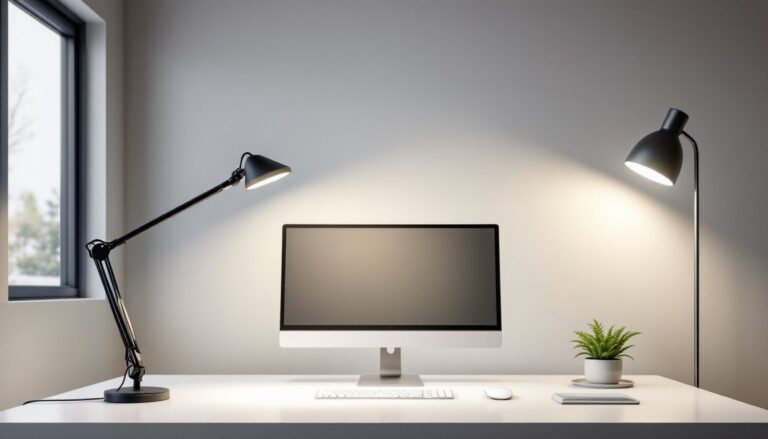
Lighting matters. Overhead lighting often casts shadows on the desk. Add a desk lamp with adjustable brightness (LED bulbs rated at 450 to 800 lumens work well for task lighting). Position it opposite the dominant hand to avoid casting shadows while writing.
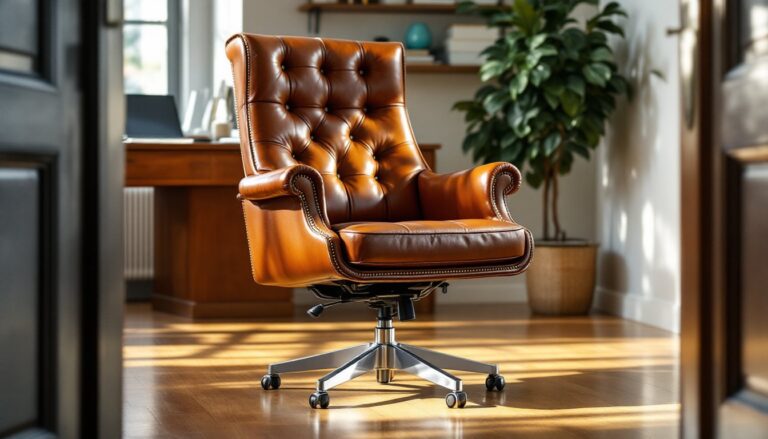
Invest in a good chair. A small desk won’t fix a bad chair. Look for adjustable height, lumbar support, and a seat depth that fits. The chair affects comfort and productivity more than the desk itself. For those creating a complete home workstation, pairing a compact desk with an ergonomic chair is the foundation of a functional setup.
Use drawer dividers and organizers. If the desk has drawers, divide them with small bins or trays. This prevents the junk-drawer effect and makes it easy to find what’s needed quickly. The Handyman’s Daughter offers simple DIY organizer builds using scrap wood and basic tools if store-bought options don’t fit.
Consider a footrest. If the chair height puts feet off the floor, a small footrest (or even a stack of books in a pinch) improves posture and reduces lower back strain.
Conclusion
Small office desks prove that effective workspaces don’t require sprawling square footage. With the right dimensions, smart storage, and intentional setup, a compact desk can support full workdays without compromise. Measure the space, match the desk to actual needs, and don’t skip the accessories that make it functional, cable management, good lighting, and vertical storage earn their keep quickly. The best home office is the one that gets used, and a well-chosen small desk makes that easier.